
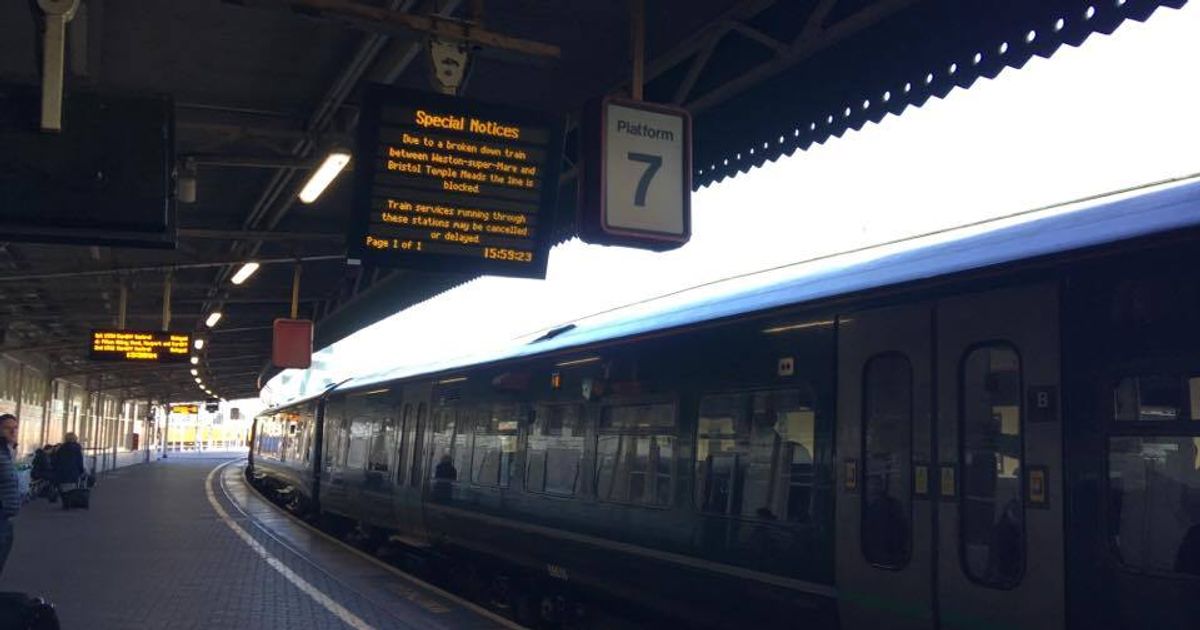
Train Services Delayed: What to Do and How to Claim Compensation
Train delays can disrupt a commute, holiday or important appointment. If your train service is delayed in the UK, there are practical steps you can take to keep your journey on track and find out whether you are entitled to compensation.
Check the latest service information
As soon as you hear about a delay, check live updates from your train operator or National Rail. Station departure boards and announcements can also provide information about revised departure times, platform changes and cancellations.
If you have a connection, check whether you are likely to make it. Speak to station staff if you need help planning an alternative route. Keep your ticket and any booking confirmation, as you may need them if you later make a claim.
Why are trains delayed?
Disruption can happen for many reasons, including signalling faults, track or overhead line problems, severe weather, incidents on the railway and staff shortages. Sometimes a delay on one part of the network affects services elsewhere, so the cause may be outside your train operator’s direct control.
Can you claim compensation?
You may be able to claim compensation if your train arrives at its final destination later than scheduled. Many UK train operators offer a scheme called Delay Repay, but the eligibility threshold and amount depend on the operator and the type of ticket. Some schemes accept claims for delays of 15 minutes or more; others may use different thresholds.
Check the compensation policy for the operator that ran your train. The amount may be calculated according to how late you arrived and the ticket you bought. Compensation is often paid as a bank transfer, voucher or refund to your original payment method, depending on the operator’s rules.
How to make a claim
- Find the train operator’s compensation or Delay Repay page.
- Have your ticket, booking reference and journey details ready.
- Provide the scheduled and actual arrival times, if requested.
- Submit your claim within the operator’s time limit.
Keep a copy of your ticket and any relevant receipts. Claim deadlines and evidence requirements vary, so check the operator’s website before applying. If you bought your ticket through a retailer, you will usually need to claim compensation from the train operator rather than the retailer.
What if your train is cancelled or you abandon your journey?
If a cancellation or major disruption means you decide not to travel, you may be able to get a refund for an unused ticket. If you have already started your journey but cannot continue, speak to staff or contact the operator for guidance before leaving the station. The options available depend on your ticket and the circumstances.
If you are travelling on a through-ticket and miss a connection because an earlier train was delayed, ask staff for advice about continuing your journey. Keep your original ticket and any evidence of the disruption.
Make your next journey easier
Allow extra time when travelling to an appointment or making a tight connection, and check service updates before leaving home. If you need assistance at the station or on the train, contact your operator in advance where possible. For the latest information about your route, consult National Rail or the train operator directly.
Train delays are frustrating, but knowing where to find updates and how to check the compensation rules can help you respond with confidence.
Seven Potential Benefits When Train Services Are Delayed
- Possible compensation through Delay Repay.
- Time to check travel updates.
- A chance to contact people about arrival times.
- Extra time to buy refreshments.
- Opportunity to rearrange connecting travel.
- More time to review alternative routes.
- Some operators provide support during disruption.
Four Drawbacks of Train Delays
- Delays can make you late for work or appointments.
- Missed connections can disrupt your journey.
- Crowded platforms and trains can add stress.
- Compensation claims may take time to process.
Possible compensation through Delay Repay.
One potential benefit of a delayed train is that you may be eligible for compensation through your train operator’s Delay Repay scheme. Depending on the operator, your ticket and how late you arrive, you could receive money back or a travel voucher. Check the operator’s eligibility rules and claim deadline, and keep your ticket or booking confirmation as evidence.
Time to check travel updates.
A train delay can give you extra time to check travel updates before continuing your journey. Use the wait to review live departure information, check for changes to platforms or connections, and look at alternative routes if needed. Staying informed can help you make practical decisions and avoid being caught out by further disruption.
A chance to contact people about arrival times.
A train delay can give you extra time to contact anyone waiting for you and let them know when you expect to arrive. A quick message can help them adjust their plans, avoid unnecessary waiting and reassure them that you’re on your way.
Extra time to buy refreshments.
A train delay can sometimes give you a little extra time to pick up a coffee, snack or other refreshments before continuing your journey. If you are waiting at the station, check service updates regularly and stay close enough to hear announcements so you do not miss your train when it is ready to depart.
Opportunity to rearrange connecting travel.
A delayed train can sometimes give you extra time to rearrange connecting travel. If you are likely to miss a bus, coach or another train, check live updates and contact the relevant operator as soon as possible to ask about alternative departures or ticket flexibility. This can help you adjust your plans before you reach your connection, although options depend on the ticket terms and the operator’s policies.
More time to review alternative routes.
A train delay can give you extra time to review alternative routes before deciding how to continue your journey. Check live updates, compare connecting services and ask station staff about other options, so you can choose a route that best suits your plans.
Some operators provide support during disruption.
Some train operators provide practical support when services are disrupted. Depending on the circumstances, this may include updates from station staff, help finding an alternative route, advice on missed connections or assistance for passengers who need extra support. The help available varies by operator and disruption, so check with staff or visit the operator’s website for guidance.
Delays can make you late for work or appointments.
Train delays can make you late for work, appointments or other important commitments, especially when there is little time to spare. Even a short hold-up can disrupt carefully planned schedules, while missed connections may add further delays and uncertainty. This can cause stress and inconvenience, particularly when you need to arrive at a specific time.
Missed connections can disrupt your journey.
Missed connections can disrupt your journey when a delayed train causes you to miss a connecting service. You may have to wait for the next train, take a different route or rearrange onward travel, which can add time, cost and stress. If this happens, speak to station staff or contact your train operator for advice, and keep your ticket and any receipts in case you need to make a compensation or refund claim.
Crowded platforms and trains can add stress.
Crowded platforms and trains can add to the stress of a delay, especially when passengers are left waiting without clear updates or space to move comfortably. As services are disrupted, more people may gather on the platform or try to board already busy trains, making it harder to find a seat, keep luggage close and travel safely. For commuters, families and passengers with accessibility needs, the extra crowding can make an already frustrating journey feel even more tiring.
Compensation claims may take time to process.
Although you may be entitled to compensation when a train is delayed, getting it can take time. You’ll usually need to submit a claim with details of your journey and ticket, then wait for the train operator to review it. Processing times vary, and the wait can be frustrating—particularly when the disruption has already caused inconvenience. Always check the operator’s claim requirements and keep your ticket and booking details handy to help avoid unnecessary delays.