
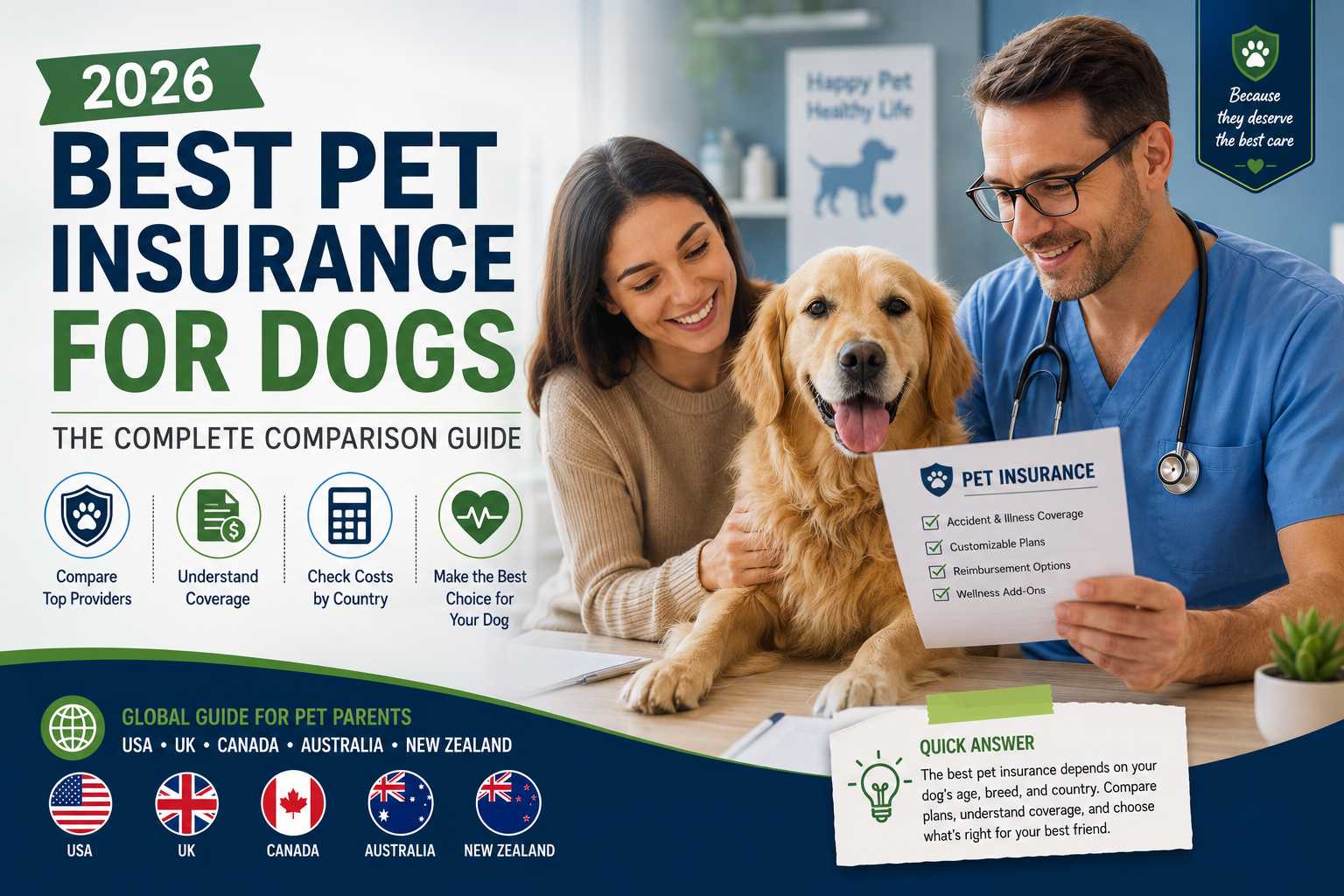
Best Dog Insurance: How to Choose the Right Cover
Finding the best dog insurance is about more than choosing the cheapest monthly premium. The right policy should suit your dog’s age, breed, health and lifestyle, while offering cover you can rely on if your pet needs treatment. Comparing the details can help you understand what is and is not included before you buy.
What does dog insurance cover?
Depending on the policy, dog insurance may help with veterinary costs if your pet becomes ill or is injured. Some policies also offer cover for:
- Third-party liability if your dog injures someone or damages their property
- Advertising and reward costs if your dog goes missing
- Emergency kennel or cattery fees if you are unexpectedly hospitalised
- Dental treatment resulting from an accident or illness
- Holiday cancellation or extra travel costs in certain circumstances
- Bereavement support or costs associated with your dog’s death
Cover varies between insurers and policies. Always check the policy wording to see which benefits are included, their limits and any conditions that apply.
Types of dog insurance
Lifetime cover
Lifetime policies can cover ongoing conditions from year to year, provided you renew the policy and meet its terms. They usually have an annual limit for vet fees, which may apply to each condition or to all claims combined. Check whether the limit resets at renewal and whether any treatment or condition limits apply.
Maximum-benefit cover
Maximum-benefit policies set a financial limit for each condition, usually without a fixed time limit. Once the limit for a condition has been reached, further treatment for it may no longer be covered.
Time-limited cover
Time-limited policies cover a condition for a set period, often 12 months from the first treatment, up to a stated financial limit. After that period or limit is reached, the condition is generally excluded from future claims.
Accident-only cover
Accident-only insurance may help with eligible treatment following an accident, but it does not usually cover illnesses. It can cost less than broader cover, but may leave you responsible for significant veterinary bills if your dog becomes ill.
How to compare the best dog insurance policies
Look closely at the vet-fee limit
Consider whether the annual vet-fee allowance is suitable for your dog and the type of treatment it might need. A lower premium may come with a lower limit, which could leave you paying more if treatment is expensive or ongoing.
Check the excess and any co-payment
The excess is the amount you pay towards a claim. Some policies also require you to pay a percentage of the remaining bill. This contribution can vary, and may increase as your dog gets older. Check how the excess applies to each condition and claim before deciding what you can afford.
Understand exclusions and waiting periods
Policies commonly exclude pre-existing conditions, and some have waiting periods before particular types of cover begin. Other exclusions may apply to routine care, pregnancy, certain treatments or specific conditions. Read the exclusions carefully, and disclose your dog’s medical history accurately when applying.
Consider your dog’s age and breed
Premiums and policy availability can depend on a dog’s age, breed and health. Some insurers impose an upper age limit for new policies, while others may change excesses or contributions as a dog gets older. Certain breeds may also have specific exclusions or higher premiums. Compare policies that are suitable for your dog rather than relying on a general ranking.
Review additional benefits
Third-party liability, dental cover and help if your dog goes missing can be useful, but the terms and limits differ. Check whether a benefit is included as standard or offered as an optional extra, and whether conditions such as vaccinations, routine dental checks or lead control apply.
Is cheaper dog insurance better?
Not necessarily. A low-cost policy may have a higher excess, a lower vet-fee limit or more restrictions. A more expensive policy may offer broader cover, but it is only worthwhile if its benefits match your needs and you can afford the premium.
Compare the total cost as well as the headline price. Think about the premium, excess, any percentage contribution and the amount you could be expected to pay if your dog needs treatment. Also check how premiums can change at renewal.
When should you insure your dog?
Taking out cover while your dog is young and healthy may give you more choice. Conditions that develop before a policy starts are often treated as pre-existing and may not be covered later. If you are changing insurer, ask how the new policy will treat your dog’s medical history and any ongoing conditions.
How to find the best dog insurance for you
- Decide which types of cover matter most, such as illness, accidents or third-party liability.
- Compare vet-fee limits, excesses, co-payments and condition limits.
- Read the exclusions, waiting periods and renewal terms.
- Check that the policy is suitable for your dog’s age, breed and medical history.
- Review the policy documents before buying, and keep a copy for future reference.
The best dog insurance is the policy that offers appropriate cover at a cost you can manage, with terms you understand. Taking time to compare the details can help you make a more informed choice and prepare for unexpected veterinary expenses.
Best Dog Insurance in the UK: Expert Advice and Provider Comparisons
- Which is the best dog insurance in the UK?
- What do vets recommend for pet insurance?
- What does Martin Lewis say about pet insurance?
- Is Petplan or ManyPets better?
Which is the best dog insurance in the UK?
There is no single best dog insurance policy in the UK for every pet. The right choice depends on your dog’s age, breed, health and lifestyle, as well as your budget. Compare policy types, vet-fee limits, excesses, co-payments, exclusions and renewal terms, and read the policy wording carefully. A suitable policy should offer cover you can afford and understand, including how it treats pre-existing and ongoing conditions.
What do vets recommend for pet insurance?
Vets commonly advise choosing pet insurance with a generous veterinary-fee limit and cover for ongoing conditions, as these can require repeated treatment. Lifetime cover may help with eligible long-term illnesses, provided the policy is renewed and its terms are met. Check the excess, exclusions, waiting periods and whether your vet can claim directly from the insurer. There is no single policy that suits every dog, so compare the wording and ask your vet about your dog’s health needs.
What does Martin Lewis say about pet insurance?
Martin Lewis does not recommend one dog insurance policy as the best for everyone. His guidance, shared through MoneySavingExpert, is to weigh the cost of cover against the potentially high cost of vet treatment and compare policies carefully. Pay particular attention to vet-fee limits, excesses, exclusions and pre-existing conditions; lifetime cover may be worth considering for ongoing illnesses, while insuring your dog when they are young and healthy can help avoid conditions being excluded later. Always check the current policy terms and guidance before choosing.
Is Petplan or ManyPets better?
Neither Petplan nor ManyPets is automatically better; the right choice depends on your dog and the policy available to you. Compare the vet-fee limits, excess and any percentage contribution, how ongoing conditions are covered at renewal, exclusions, waiting periods and the treatment of pre-existing conditions. Premiums and policy terms can vary by dog and may change, so read the latest policy documents and compare like-for-like quotes before deciding.