
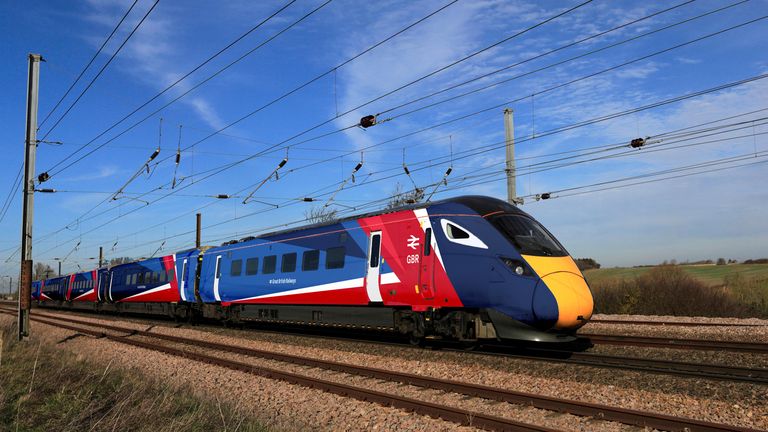
Trains and Railways: Keeping Britain on the Move
Railways have shaped the way people travel, work and connect with one another. From short commutes across town to longer journeys between cities, trains offer a practical way to get around while carrying millions of passengers and large quantities of goods each year.
A brief history of rail travel
The modern railway developed in Britain during the 19th century, when steam-powered trains transformed transport. Journeys that had once taken many hours by road could be completed far more quickly by rail. New lines linked towns, ports and industrial centres, helping people travel further and businesses move goods more efficiently.
Steam trains were eventually joined by diesel and electric services. Today, railway networks include a range of trains, from local and regional services to high-speed routes and freight trains. While the technology has changed, the basic purpose remains the same: connecting places and people.
Why people choose trains
For many passengers, rail travel is a convenient alternative to driving. Travellers can read, work or relax during the journey rather than concentrating on the road. Stations are often located close to town and city centres, making trains a useful option for commuting, days out and visiting family.
Trains can also carry many passengers at once, which may help reduce road congestion. Where services are powered by electricity, they can offer a lower-emission travel option than a car journey, particularly when trains are well used. The environmental impact of any journey depends on factors such as the energy source, route and number of passengers.
The role of railways beyond passenger travel
Railways are important for more than passenger journeys. Freight trains transport goods such as building materials, food and consumer products. Moving freight by rail can reduce the number of lorries needed on some roads and provide businesses with another way to transport goods over long distances.
Rail infrastructure also supports local economies. Stations and services can make it easier for people to reach workplaces, shops, schools and attractions. Reliable connections can help communities stay connected, particularly where other transport options are limited.
Challenges facing the rail network
Rail services rely on a complex network of tracks, signalling systems, stations and trains. Maintaining this infrastructure takes time and investment. Weather, engineering work, equipment faults and disruption elsewhere on the network can all affect journeys.
Passengers may also have concerns about ticket prices, overcrowding, accessibility and the reliability of services. Clear travel information and support at stations can make a significant difference, especially when plans change. Continued investment in maintenance, modern trains and accessible facilities can help improve the experience for passengers.
The future of rail
Railways are continuing to evolve. New technology can support better journey information, ticketing and network management. Improvements to trains and infrastructure may also help make services more comfortable, efficient and accessible.
As communities look for ways to travel more sustainably, rail is likely to remain an important part of the transport mix. Its success will depend on providing services that people can rely on and afford, while maintaining the network for future generations.
Conclusion
Trains and railways have played a central role in Britain’s development and remain an essential part of everyday life. They connect communities, support businesses and offer an alternative to travelling by road. With thoughtful investment and a focus on passengers, the railway can continue to serve the country well.
Train, Rail or Railway? Seven Frequently Asked Questions
- Is it train or rail?
- Why do we call a train a train?
- Is it train or railway track?
- What’s the difference between railway and train?
- Is it a train or railway station?
- What are the two meanings of train?
- What is a train called?
Is it train or rail?
“Train” refers to the vehicle that carries passengers or freight, while “rail” usually means the tracks or the wider rail transport system. For example, you travel by train, but you might work in the rail industry or take a rail journey. “Railway” can refer to the tracks and infrastructure, or to the whole network. The right word depends on what you mean.
Why do we call a train a train?
The word “train” comes from the Old French word train, meaning a sequence or procession, which is related to traîner (“to draw” or “to drag”). It was used for a group of things travelling together, such as a procession or a line of wagons. When railway transport developed, the name was adopted for a locomotive and the carriages it pulls—so a train is, quite literally, a series of vehicles drawn along together.
Is it train or railway track?
A train is the vehicle that carries passengers or freight, while a railway track is the pair of rails, sleepers and supporting structures that the train runs on. So, use “train” when referring to the vehicle and “railway track” when referring to the route it travels along.
What’s the difference between railway and train?
A railway is the network and infrastructure used for rail transport, including tracks, stations, signals and bridges. A train is the vehicle that travels along those tracks, carrying passengers or freight. In short, the railway is the route and supporting system, while the train is what runs on it.
Is it a train or railway station?
A “train station” is the place where passengers catch trains, while a “railway station” means the same thing and is more commonly used in UK English. “Train station” is also widely understood in the UK, but “railway station” may sound more traditional or formal. Both terms are correct; use whichever best suits the context.
What are the two meanings of train?
The word “train” has two common meanings. It can refer to a series of connected railway carriages or wagons pulled by a locomotive, carrying passengers or goods. It can also mean to teach or practise a skill in preparation for a particular job, activity or event—for example, “train for a marathon” or “train new railway staff”.
What is a train called?
A train is a series of connected vehicles that travels along railway tracks, usually pulled or powered by a locomotive. The locomotive provides the power, while the vehicles carrying passengers are called carriages or coaches; those carrying goods are called wagons. Together, these vehicles make up a train.