
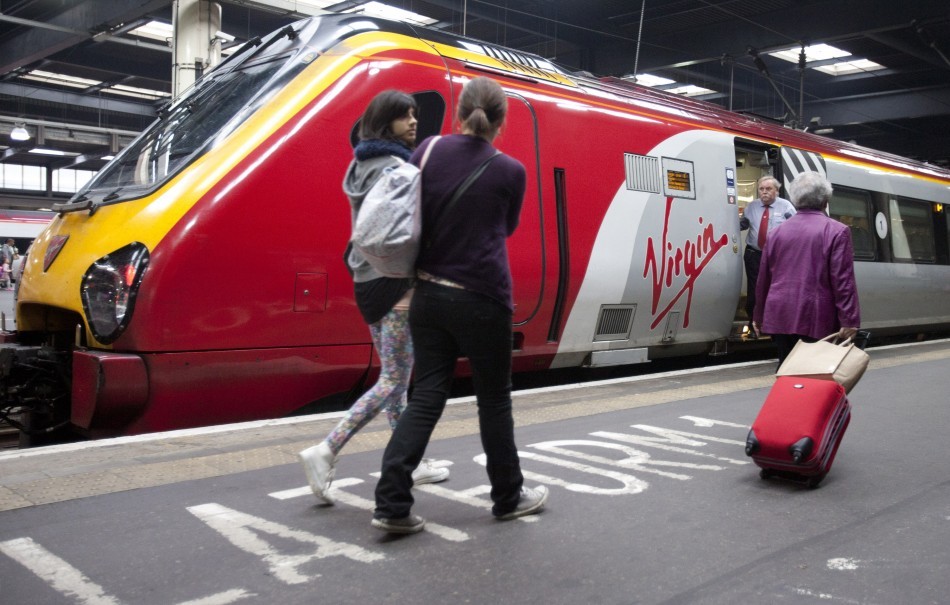
Train Insurance Services: What Cover Could You Need?
Train travel is a convenient way to get around the UK, whether you commute every day, take occasional journeys or travel further afield. But “train insurance” can mean different things. It may refer to cover for passengers and their belongings, or to specialist insurance for businesses and professionals working in the rail industry. Understanding the difference can help you find cover suited to your needs.
What are train insurance services?
Train insurance services may help travellers compare or arrange policies connected with rail journeys. Depending on the provider and policy, this could include travel insurance that applies to a trip involving trains, or cover for specific costs and risks associated with travel.
There is no single policy that covers every rail-related problem. Benefits, exclusions and claim limits differ between insurers, so it is important to read the policy wording rather than relying on a product name alone.
Cover for train travellers
Travel insurance can be useful when a journey forms part of a holiday or longer trip. Depending on the policy, it may include:
- Cancellation or curtailment: Cover for certain non-refundable travel or accommodation costs if you need to cancel or cut short a trip for a reason listed in the policy.
- Personal belongings: Cover for luggage and personal items, subject to limits, excesses and exclusions.
- Medical emergencies: Assistance with eligible medical costs when travelling abroad. UK-based journeys may be treated differently, so check the policy details.
- Travel delays or missed connections: Some policies provide benefits if a covered delay disrupts your plans. Conditions may apply, including minimum delay periods and evidence requirements.
- Personal liability: Cover for certain claims made against you if you accidentally injure someone or damage their property.
Travel insurance is not the same as a train ticket refund. If a train is delayed or cancelled, your first point of reference will usually be the train operator’s refund or compensation arrangements. An insurance policy may only help in specific circumstances and may not cover costs that the operator is responsible for.
Specialist cover for rail businesses and workers
Rail operators, contractors and other businesses in the sector may need specialist commercial insurance. Depending on the organisation and its activities, this could include public liability, employers’ liability, professional indemnity, property or engineering cover. The risks and requirements can be complex, so businesses should seek advice from an appropriately qualified insurance professional and check any contractual or regulatory obligations that apply.
Cover for a business or rail professional is different from travel insurance for passengers. A personal travel policy should not be assumed to cover work-related activities, specialist equipment or business liabilities.
How to compare train-related insurance
Before choosing a policy, consider where you are travelling, how often you travel and what you need to protect. Compare:
- what is and is not covered;
- the excess and the maximum amount payable for each benefit;
- limits for valuables and individual items;
- conditions relating to delays, cancellations and missed connections;
- medical exclusions, including any pre-existing conditions;
- how to make a claim and what evidence you will need.
If you are using a comparison or quotation service, check who provides the policy and who is responsible for arranging it. In the UK, you can check an insurance firm’s regulatory status on the Financial Conduct Authority’s register. Always read the policy documents before buying, and contact the insurer or intermediary if anything is unclear.
Choosing cover with confidence
The right train-related insurance depends on whether you are protecting a personal trip, your belongings or a rail business. Take time to compare the terms and check that the policy matches your circumstances. Clear, suitable cover can help reduce uncertainty, but it is important to understand its limits before you travel or begin work.
Train Insurance: Frequently Asked Questions
- What does train insurance cover?
- Do I need travel insurance for a train journey in the UK?
- Does train insurance cover delays and cancellations?
- Can I claim for lost, stolen or damaged belongings on a train?
- Does train insurance cover missed connections?
- How much does train insurance cost?
- How do I make a claim on train insurance?
What does train insurance cover?
Train insurance can mean different things depending on the policy. For passengers, it may be included within travel insurance and could cover eligible cancellation costs, personal belongings, medical emergencies or travel delays, subject to policy limits, excesses and exclusions. It does not automatically replace a train operator’s refund or compensation arrangements. Specialist insurance for rail businesses or workers is separate and may cover risks such as liability, property or equipment. Always check the policy wording to confirm what is covered.
Do I need travel insurance for a train journey in the UK?
Travel insurance isn’t usually essential for a train journey within the UK, but it may be useful if you want cover for specific risks, such as cancellation, lost or damaged belongings, or extra costs caused by disruption. What’s covered depends on the policy, and train delay or cancellation compensation may instead be available from the train operator. Check the policy wording and your ticket’s terms before travelling.
Does train insurance cover delays and cancellations?
Train insurance may cover certain costs caused by delays or cancellations, but it depends on the policy and the circumstances. Some travel insurance policies offer a benefit if a delay meets a minimum time or causes you to miss a connection, while others exclude these situations or cover only specific expenses. You may also be entitled to a refund or compensation from the train operator, so check its terms as well as your insurance policy’s limits, exclusions and claim requirements.
Can I claim for lost, stolen or damaged belongings on a train?
You may be able to claim for belongings lost, stolen or damaged on a train if your travel insurance includes personal possessions cover and the circumstances meet the policy terms. Cover limits, excesses and exclusions vary, and unattended items or valuables may be treated differently. Report theft to the police and notify the train operator as soon as possible, keeping any reference numbers, receipts and other evidence. Check your policy wording and contact your insurer promptly to confirm whether you’re eligible to claim.
Does train insurance cover missed connections?
Train insurance may cover the extra costs of a missed connection, but it depends on the policy and why you missed it. Some travel insurance policies provide cover when a delay or cancellation outside your control causes you to miss a booked onward train or other connection, subject to conditions, excesses and limits. You may need evidence such as tickets and confirmation of the delay. Check the policy wording, and contact the train operator first, as it may offer assistance or compensation.
How much does train insurance cost?
The cost of train-related insurance depends on the type of cover you need, your circumstances and the insurer. Travel insurance for a trip involving train journeys may be priced according to factors such as your destination, trip length, age, medical history and chosen level of cover. Specialist insurance for rail businesses or workers is assessed differently, based on the activities and risks involved. Compare quotes and check the policy limits, excesses and exclusions, as the cheapest option may not provide the cover you need.
How do I make a claim on train insurance?
To make a claim, contact your insurer as soon as possible and follow the instructions in your policy documents. You’ll usually need your policy number, details of what happened and supporting evidence, such as tickets, receipts, proof of delay or cancellation, or a police reference for stolen belongings. Check the policy’s time limits, excesses and exclusions, and keep copies of all correspondence. Claim procedures vary between providers, so contact your insurer if you’re unsure what documents are required.