
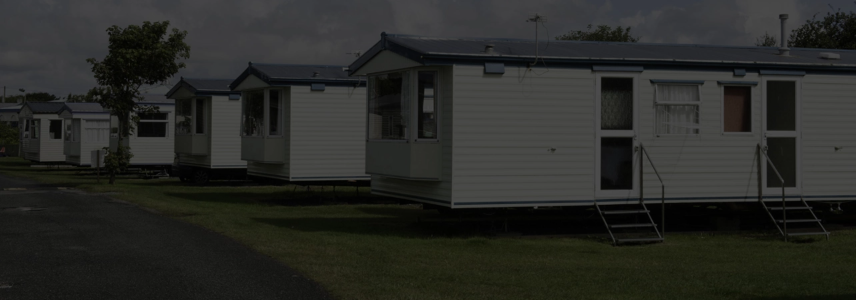
Static Caravan Insurance: What You Need to Know
A static caravan can be a much-loved holiday retreat, a place to spend weekends with family or a valuable investment. Like any property, it may face risks from severe weather, fire, theft or accidental damage. Static caravan insurance can help protect your caravan and belongings, and may cover certain costs if something goes wrong.
Cover varies between insurers and policies, so it is important to check what is included, what is excluded and whether the policy suits how and where you use your caravan.
What is static caravan insurance?
Static caravan insurance is designed for caravans that remain in one location, usually on a holiday park or private site. It is different from touring caravan insurance, which is intended for caravans that are towed from place to place.
A policy may cover the caravan itself, its contents, or both. Some policies also include public liability cover, which may help if you are held legally responsible for injury to someone else or damage to their property. The precise cover and limits depend on the insurer and policy wording.
What might a policy cover?
Depending on the policy, static caravan insurance may include cover for:
- Accidental damage: Sudden, unintended damage to the caravan or its fixtures and fittings.
- Fire and smoke damage: Damage caused by an insured fire or related smoke.
- Storm, flood or escape of water: Cover may be available, but definitions, conditions and exclusions can vary.
- Theft or attempted theft: This may depend on security measures and whether there are signs of forced entry.
- Contents: Protection for eligible belongings kept inside the caravan, up to the policy limit.
- Public liability: Cover for certain claims made against you if you are legally responsible for injury or property damage.
- Alternative accommodation or site fees: Some policies may help with specified costs if the caravan becomes unusable after insured damage.
These are examples, not a guarantee that every policy includes each type of cover. Always read the policy documents and check the excesses, limits and conditions.
Is static caravan insurance compulsory?
There is not usually a general legal requirement to insure a static caravan. However, a holiday park, site operator or finance provider may require you to have insurance as a condition of your agreement. Check your site rules and any finance documents before buying a policy.
Even where cover is not required, the cost of repairing or replacing a caravan could be significant. Insurance may offer financial protection against some unexpected events, subject to the policy terms.
What can affect the cost?
The price of static caravan insurance can depend on factors such as:
- the caravan’s age, make, model and replacement value;
- where it is sited and the risks associated with the location;
- the level of buildings, contents and liability cover selected;
- the security measures in place;
- how often the caravan is used and how long it may be left empty;
- the excess you choose; and
- any previous claims or relevant insurance history.
Insurers assess these details differently, so the cheapest quote may not provide the most suitable protection. Compare what each policy covers as well as its price.
Common exclusions and conditions
Policies may exclude or restrict cover for certain events. Common examples can include general wear and tear, gradual deterioration, vermin, damage caused by poor maintenance, or loss of belongings that were not securely stored. Damage caused while the caravan is left unoccupied for a specified period may also be treated differently.
There may be extra conditions for winter use, storm protection, security, maintenance or letting the caravan to others. If you rent out your caravan, tell the insurer before arranging cover. A standard policy may not cover commercial or guest use.
How to choose suitable cover
Before choosing a policy, consider the following steps:
- Work out the replacement value. Use a realistic figure for replacing the caravan, rather than relying on its original purchase price.
- List your contents. Estimate the value of furniture, appliances and personal belongings, and check whether individual item limits apply.
- Check the site requirements. Make sure the policy meets any insurance conditions set by the park or site owner.
- Review liability cover. Check the amount offered and whether it meets your needs and any site requirements.
- Read the exclusions and excesses. Understand what you would need to pay towards a claim and which situations are not covered.
- Give accurate information. Tell the insurer about the caravan, its location, how it is used and any security measures. Incorrect or incomplete details could affect a claim.
Keeping your caravan secure and maintained
Good security and regular maintenance may reduce the risk of problems, although they cannot prevent every loss. Follow the site’s safety guidance, keep doors and windows secured when the caravan is unattended, and store valuable items out of sight. Inspect the caravan periodically for signs of leaks, damage or deterioration, especially after severe weather.
Keep receipts, photographs and an up-to-date inventory of valuable contents. These records may help if you need to provide information following a claim.
Get a quote that suits your needs
Static caravan insurance can provide useful protection, but policies differ considerably. Compare the cover, limits, exclusions and excesses carefully, and make sure the insurer knows how the caravan is used. For full details of what is covered, refer to the policy wording and speak to the insurer or broker if anything is unclear.
9 Benefits of Static Caravan Insurance
- Helps protect your caravan against insured damage.
- Can cover contents kept inside the caravan.
- May include theft and attempted-theft cover.
- Can provide protection against fire damage.
- May cover certain storm or flood damage.
- Public liability cover may help with eligible claims.
- Can help with repair or replacement costs after an insured event.
- Some policies may cover alternative accommodation costs.
- Offers peace of mind when your caravan is unoccupied.
Five Drawbacks of Static Caravan Insurance
- Premiums can be costly.
- Some risks may be excluded.
- Excesses can be high.
- Cover limits may be restrictive.
- Unoccupied caravans may have reduced cover.
Helps protect your caravan against insured damage.
Static caravan insurance can help protect your caravan against damage caused by events covered under your policy, such as fire, storms or accidental damage. This can reduce the financial burden of repairs or replacement if the unexpected happens. Cover varies between insurers, so check the policy wording, exclusions and excess to understand exactly what is included.
Can cover contents kept inside the caravan.
Contents cover can help protect the belongings you keep inside your static caravan, such as furniture, appliances and personal items, if they are damaged or stolen in circumstances covered by your policy. Check the policy limits, exclusions and any requirements for securing valuables, as these can vary between insurers.
May include theft and attempted-theft cover.
Static caravan insurance may include cover for theft and attempted theft, helping protect you if your caravan or insured belongings are stolen or damaged during a break-in. The cover may depend on policy limits, security requirements and evidence of forced entry, so check the policy wording to understand exactly what is included and any exclusions.
Can provide protection against fire damage.
Static caravan insurance can provide protection against fire damage, helping with the cost of repairs or replacement if a fire occurs, subject to your policy’s terms and limits. Cover may also extend to damage caused by smoke or firefighting efforts. Check the policy wording carefully, as exclusions, safety requirements and excesses may apply.
May cover certain storm or flood damage.
Static caravan insurance may cover certain damage caused by storms or flooding, helping with repair or replacement costs after severe weather. Cover depends on the policy: definitions, exclusions, excesses and requirements—such as keeping the caravan properly maintained—can vary between insurers. Check the policy wording to see which weather-related events are included and what limits apply.
Public liability cover may help with eligible claims.
Public liability cover may help protect you if you are held legally responsible for accidentally injuring someone or damaging their property in connection with your static caravan. It can cover eligible claims and associated legal costs, up to the limits and subject to the terms, conditions and exclusions of your policy. Check the policy wording to understand exactly when cover applies.
Can help with repair or replacement costs after an insured event.
If your static caravan is damaged or destroyed by an event covered by your policy, insurance can help towards the cost of repairs or replacement, subject to the policy limits, excess and terms. This financial support can make it easier to get your holiday home back in use without having to meet the full cost yourself.
Some policies may cover alternative accommodation costs.
If insured damage makes your static caravan uninhabitable, some policies may help pay towards alternative accommodation while repairs are carried out. This can make an unexpected disruption less stressful, particularly if you are away on holiday. The support available, including eligible costs, payment limits and how long cover lasts, varies between policies, so check the wording before you buy.
Offers peace of mind when your caravan is unoccupied.
Static caravan insurance can offer peace of mind when your caravan is unoccupied, whether you’re away between visits or it’s closed for the winter. Depending on your policy, it may help protect against insured events such as theft, fire or storm damage while you’re elsewhere. Check any unoccupied-period limits, security requirements and exclusions, as these can vary between insurers.
Premiums can be costly.
Premiums can be costly
Static caravan insurance premiums can be expensive, particularly for older or high-value caravans, or those in locations exposed to risks such as flooding or severe weather. The cost may also rise if you choose higher cover limits or add protection for contents and liability. Compare policies carefully, checking the excesses, exclusions and cover provided as well as the price, so you can find an option that fits your budget without leaving important risks uninsured.
Some risks may be excluded.
Some risks may be excluded from static caravan insurance, so a policy might not cover every type of damage or loss. Common exclusions can include wear and tear, gradual deterioration, vermin damage or losses that occur while the caravan is left unoccupied for longer than the policy allows. Check the policy wording carefully, including any security and maintenance conditions, so you understand where you may need to pay for repairs or replacement yourself.
Excesses can be high.
Excesses can be high
Some static caravan insurance policies have high excesses, meaning you could need to pay a sizeable amount towards a claim before your insurer contributes. This can make smaller claims less worthwhile and leave you facing an unexpected bill. Check the excess for each type of claim, as amounts may differ, and weigh the potential out-of-pocket cost against the premium when comparing policies.
Cover limits may be restrictive.
Cover limits may be restrictive, meaning an insurance policy might not pay the full cost of replacing your static caravan or its contents after a major loss. Individual items may also have their own lower limits, while specific events or types of damage could be excluded altogether. Check the sums insured, per-item limits and excesses carefully, and make sure they reflect the value of what you need to protect.
Unoccupied caravans may have reduced cover.
If your static caravan is left unoccupied for an extended period, your insurance may provide reduced cover or exclude certain claims altogether. Insurers may set limits on how long the caravan can be empty, particularly during winter, and may require you to take steps such as turning off the water or arranging regular checks. Read your policy carefully and tell your insurer how often you use the caravan, so you know what cover applies while you are away.