
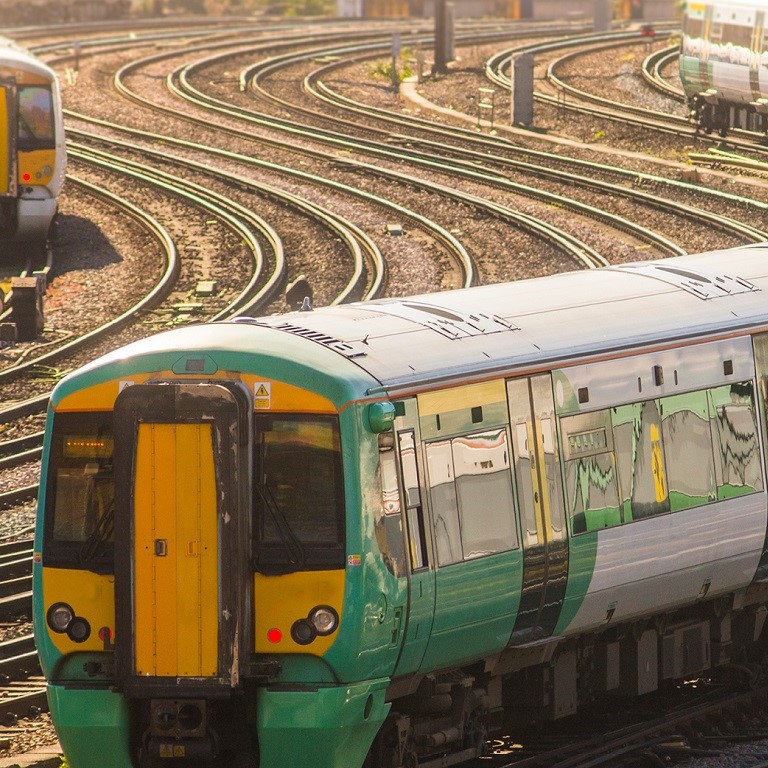
Train Insurance: Understanding Your Cover Options
Whether you own or operate railway equipment, work in the rail industry, or simply travel by train, insurance can help protect you against certain costs and risks. The right cover depends on what needs protecting: a railway business, specialist equipment or your personal belongings while travelling.
What does train insurance mean?
“Train insurance” is a broad term rather than one standard policy. Cover for a rail operator or business is very different from travel insurance for a passenger. Policies are usually designed around the activities involved, the property being insured and the risks faced.
Insurance for railway businesses and operators
Railway operators, contractors and businesses working on or near the rail network may need specialist commercial insurance. Depending on the business and its responsibilities, this could include:
- Public liability insurance for certain claims involving injury to third parties or damage to their property.
- Employers’ liability insurance, which is generally required by law in the UK when a business employs staff, subject to applicable exemptions.
- Property and equipment cover for eligible buildings, tools, machinery or other business assets.
- Business interruption cover for certain losses following an insured event that disrupts operations.
- Professional indemnity insurance where a business provides advice or professional services and faces claims relating to its work.
Railway work can involve specialist risks, contractual requirements and strict safety procedures. Businesses should check that any policy reflects their actual activities and meets the requirements of clients, regulators and relevant contracts.
Cover for train passengers
Passengers do not usually need a dedicated policy simply to travel by train. However, standard travel insurance may provide useful protection for some journeys. Depending on the policy, it could cover events such as cancellation, medical emergencies or lost belongings. The cover, limits and exclusions vary, so check the wording before buying.
Travel insurance may not cover every delay or missed connection, and it should not be assumed to replace any rights you may have under a rail operator’s conditions of travel or passenger compensation arrangements. Check with the train operator about its delay and cancellation policies.
How to choose suitable cover
- Identify what you need to insure. This might be a business, equipment, employees or personal belongings.
- Review the risks. Consider the work being carried out, where it takes place and who could be affected.
- Check policy limits and exclusions. Pay attention to excesses, conditions and activities that are not covered.
- Compare more than the price. Look at the cover provided, claims process and any requirements for specialist risks.
- Ask questions if anything is unclear. An insurer or suitably qualified insurance adviser can explain how a policy applies to your circumstances.
Get the right information before requesting a quote
When seeking an insurance quote, provide accurate details about the people, property, journeys or business activities to be insured. For commercial cover, insurers may ask about your operations, turnover, employees, contracts, safety procedures and previous claims. Complete information helps them assess the risk and offer terms that are more likely to meet your needs.
Train-related insurance is not one-size-fits-all. Take time to compare suitable options and read the policy documents carefully before making a decision. This article provides general information only and is not a substitute for advice based on your individual circumstances.
Train Insurance FAQs: Cover, Delays, Operator Policies and Comparing Quotes
- What does train insurance cover?
- Do train passengers need travel insurance for their journey?
- Does travel insurance cover train delays and cancellations?
- What insurance do railway businesses and operators need?
- How can I compare train insurance quotes?
What does train insurance cover?
Train insurance can refer to different types of cover, depending on whether you run a railway business, work in the rail industry or travel by train. Business policies may cover risks such as third-party claims, employees, property or specialist equipment, while travel insurance may offer protection for eligible events such as cancellation, medical emergencies or lost belongings. Cover, limits and exclusions vary by policy, so check the wording carefully to make sure it suits your needs.
Do train passengers need travel insurance for their journey?
Train passengers do not usually need travel insurance for a rail journey, but it may be useful if you want cover for eligible events such as cancellation, medical emergencies or lost belongings. What is covered depends on the policy, and exclusions, limits and excesses apply. Travel insurance may not cover every train delay or missed connection, so check the policy wording and the train operator’s compensation arrangements before travelling.
Does travel insurance cover train delays and cancellations?
Travel insurance may cover train delays or cancellations, but this depends on your policy and the reason for the disruption. Some policies include benefits for delayed departure or missed connections, subject to specific conditions, minimum delay periods and limits; routine delays may not be covered. Check your policy wording and contact your train operator, as you may also be entitled to a refund or compensation under its passenger terms.
What insurance do railway businesses and operators need?
The insurance a railway business or operator needs depends on its activities, contracts, employees and the assets it owns or uses. Cover may include employers’ liability insurance, which is generally required by law for businesses with employees, public liability, property and equipment insurance, business interruption cover and, where relevant, professional indemnity insurance. Rail work can involve specialist risks and contractual requirements, so check the policy wording and ask an insurer or qualified adviser to confirm that the cover suits your operations.
How can I compare train insurance quotes?
To compare train insurance quotes, first make sure each quote covers the same activities, property and level of risk. Look beyond the premium: check cover limits, excesses, exclusions, conditions and any specialist requirements, as well as how claims are handled. Provide accurate details when requesting quotes, and ask the insurer or a qualified insurance adviser to clarify anything you are unsure about.