
Finding the Right Rail Ticket for Your Journey
Choosing the right rail ticket for your journey can help you travel with greater confidence and avoid paying for flexibility you do not need. Whether you are commuting, visiting family or planning a day out, it is worth checking the available ticket types before you book.
Rail tickets for different travel plans
The best rail ticket for you depends on when you plan to travel, how fixed your plans are and whether you will make the same journey regularly. Common options include:
- Advance tickets: These are generally tied to a particular train, so they may suit travellers who know their travel plans in advance. Check the conditions before buying, as changes may be limited or involve a fee.
- Off-Peak and Super Off-Peak tickets: These can be suitable for travel outside busier periods. The times when they are valid vary by route, so check the restrictions for your journey.
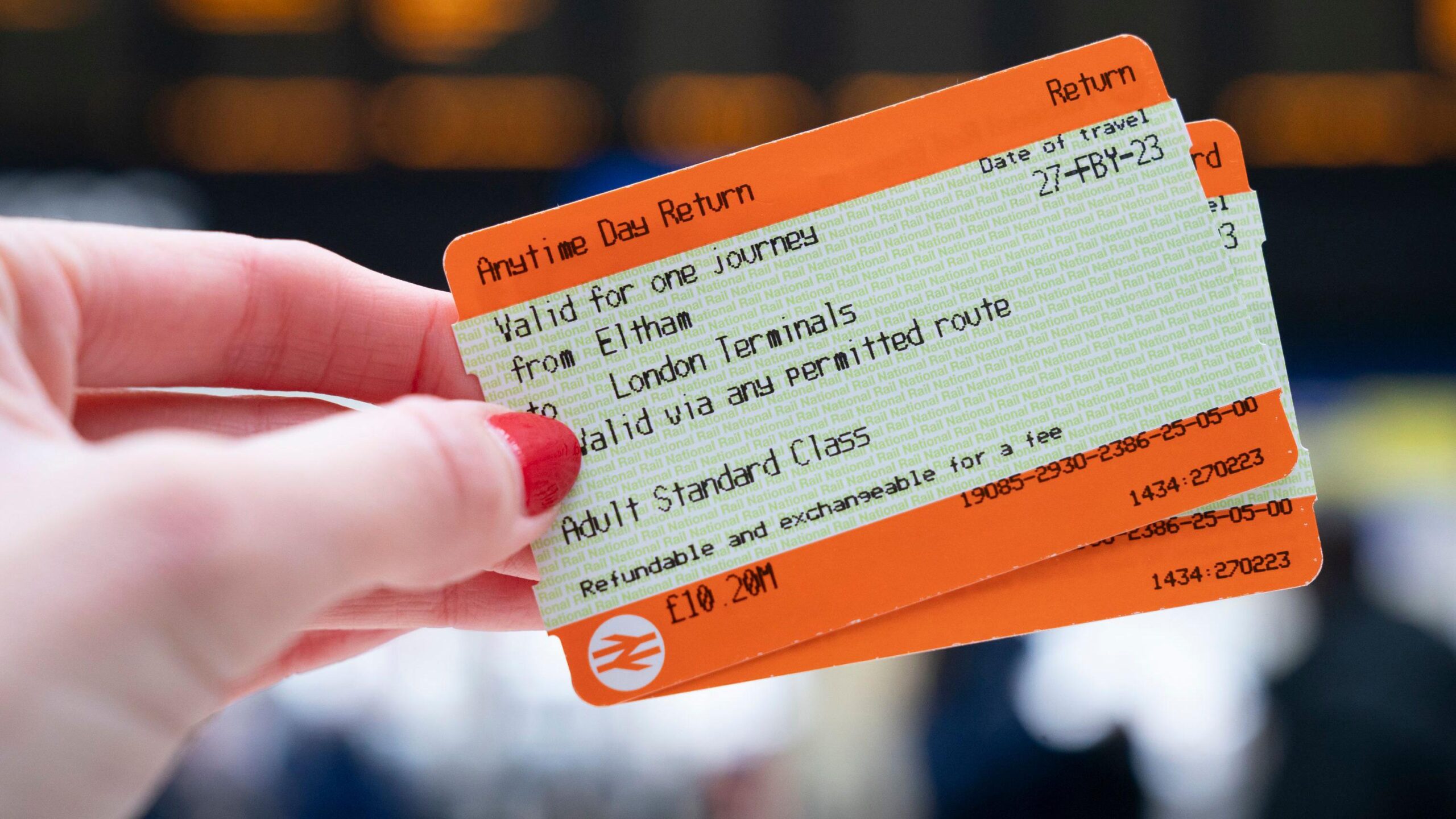
- Anytime tickets: These offer more flexibility around when you travel, although they can cost more than restricted tickets.
- Season tickets: If you travel regularly between the same stations, a season ticket may be worth considering. Compare its cost with the fares you would otherwise pay.
- Railcards: If you are eligible, a Railcard may reduce the price of many fares. Check the Railcard’s terms, including any minimum fare or time restrictions.
How to choose a rail ticket
Start by checking your route, travel date and likely departure time. Compare the available fares and read the conditions carefully, particularly rules about which trains you can use, whether a seat reservation is included and what happens if your plans change.
If you are making a return journey, compare the price of a return ticket with two separate singles. The most suitable option can depend on the route and the tickets available for your chosen dates.
Planning ahead
Booking early can give you more choice on some routes, especially if you are looking for a train-specific fare. If your plans are uncertain, a more flexible ticket may be preferable. Before travelling, check for service updates and allow time to reach your platform.
Make an informed choice
The right rail ticket for a trip is not always the cheapest fare shown first. Consider the restrictions, flexibility and any discounts that apply to you. A few minutes spent comparing the options can help you choose a ticket that suits both your journey and your plans.
Common Rail Ticket Queries: NHS Discounts, Senior Railcards, Ticket Prices, and Onboard Purchases
- Do you get a NHS discount on trains?
- What is the best Railcard for over 60?
- How much is a normal train ticket?
- Can I just buy a train ticket on the train?
Do you get a NHS discount on trains?
There is no single, nationwide NHS discount on train tickets in the UK. Some train operators or ticket retailers may offer promotions for NHS staff, so check their current terms and conditions before booking. You may also be able to save with a Railcard if you meet its eligibility rules, or by choosing an Advance or Off-Peak fare.
What is the best Railcard for over 60?
For most people aged 60 or over, the Senior Railcard is the best option, as it offers a discount on many UK rail fares and can be used for travel across the country. If you usually travel with the same adult, compare it with a Two Together Railcard; for frequent journeys within a particular region, a local Railcard may suit you better. Check each Railcard’s eligibility and fare restrictions before buying.
How much is a normal train ticket?
There is no single price for a “normal” train ticket in the UK. The fare depends on your route, when you travel and whether you choose an Advance, Off-Peak or flexible ticket. Booking ahead and using an eligible Railcard may reduce the cost, so compare the available fares for your journey before you buy.
Can I just buy a train ticket on the train?
In most cases, you should buy a valid train ticket before boarding, using the station ticket office, ticket machine or an operator’s website or app. Some operators may let you buy a ticket on board if there was no reasonable opportunity to purchase one beforehand, but rules vary. If a ticket-buying facility was available and you travel without a valid ticket, you could be charged a Penalty Fare or face further action, so check the train operator’s policy before you travel.