
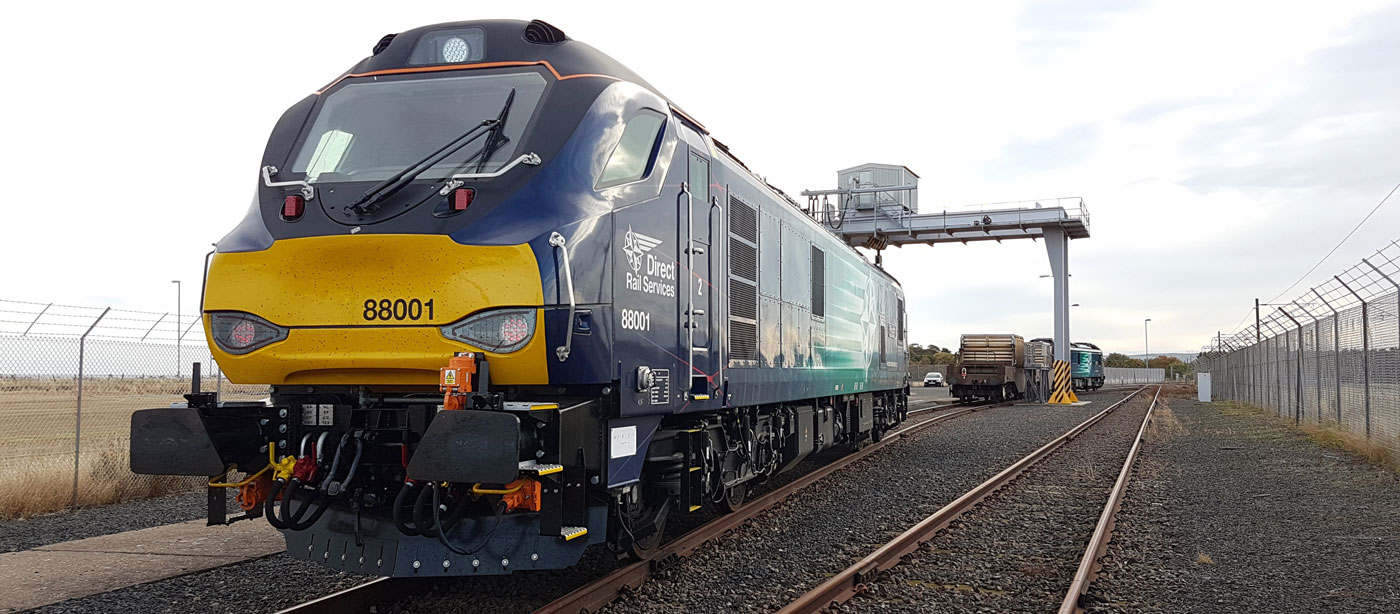
Rail Services: Connecting People, Places and Communities
Rail services play an important role in the UK’s transport network. They connect towns and cities, help people get to work and education, and make it easier to visit friends, family and places of interest. For many passengers, trains offer a practical alternative to travelling by car.
What are rail services?
Rail services are passenger or freight journeys operated on railway networks. Passenger trains include local services that stop at stations across a region, commuter trains that serve busy urban areas, and longer-distance services linking major cities. Freight trains carry goods such as building materials, fuel and consumer products.
Why rail travel matters
Trains can carry many passengers at once, helping to reduce pressure on busy roads. Rail travel can also be a convenient option for journeys between city centres, where parking and traffic may be challenging. For some routes, travelling by train gives passengers time to read, work or simply enjoy the scenery.
Railways also support local economies. Stations can improve access to jobs, services and visitor attractions, while freight services provide businesses with another way to move goods around the country.
Making a journey by train
Before travelling, passengers can check timetables, fares and service updates online or through travel information services. It is useful to allow extra time to reach the station, particularly during busy periods or when changing trains. Passengers should also check whether their ticket is valid for the service they plan to use, as some tickets have time or route restrictions.
Accessibility information is important for many travellers. Passengers who need assistance can check the arrangements available at their departure and arrival stations, and contact the relevant train operator before travelling if they would like to request support.
Challenges facing rail services
Rail services can be affected by a range of factors, including engineering work, severe weather, equipment problems and staff availability. These can lead to delays, cancellations or changes to planned routes. Clear, timely information helps passengers make alternative plans when disruption occurs.
Keeping railway infrastructure in good condition is another ongoing challenge. Tracks, signals, stations and trains need regular maintenance and investment to support safe and reliable journeys. Demand can also vary considerably, with some services much busier at peak times than others.
The future of rail
Rail services continue to adapt as technology and passenger needs change. Digital ticketing and live travel updates can make journeys easier to plan, while improvements to trains and infrastructure may help increase capacity and reliability. Rail can also contribute to lower transport emissions, particularly when services are well used and journeys are powered by electricity.
Reliable, accessible rail services benefit passengers, businesses and communities. With thoughtful planning, ongoing investment and useful travel information, the railway can remain an important part of how people and goods move around the UK.
Five Essential Tips for Smooth Rail Travel
- Check live departure boards before travelling.
- Allow extra time during peak hours.
- Keep your ticket handy for inspection.
- Use contactless payment where available.
- Check for planned engineering works.
Check live departure boards before travelling.
Check live departure boards before travelling to see the latest platform information, delays or cancellations. Updates can change at short notice, so checking again before you leave for the station can help you plan your journey and avoid unnecessary waiting.
Allow extra time during peak hours.
Allow extra time when travelling during peak hours, as stations and trains can be busier than usual and queues may take longer. Arriving early gives you time to find your platform, buy or collect your ticket and board without rushing. It can also help if your service is delayed or you need to make a connection.
Keep your ticket handy for inspection.
Keep your ticket handy throughout your journey, as a member of staff may ask to inspect it at any time. Whether you have a paper ticket or a digital one on your phone, make sure it is easy to access and that your device has enough battery. Having your ticket ready helps inspections run smoothly and can save you time.
Use contactless payment where available.
Where contactless payment is available, it can be a quick and convenient way to pay for your rail journey. Tap in and out at the station readers using a contactless bank card or a supported mobile device, and remember to use the same card or device throughout your journey. Check the operator’s rules before travelling, as contactless coverage, fares and any daily caps vary by route.
Check for planned engineering works.
Check for planned engineering works before you travel, as maintenance can lead to timetable changes, replacement buses or temporary station closures. Check your train operator’s website or journey planner shortly before setting off, and allow extra time to reach your destination.