
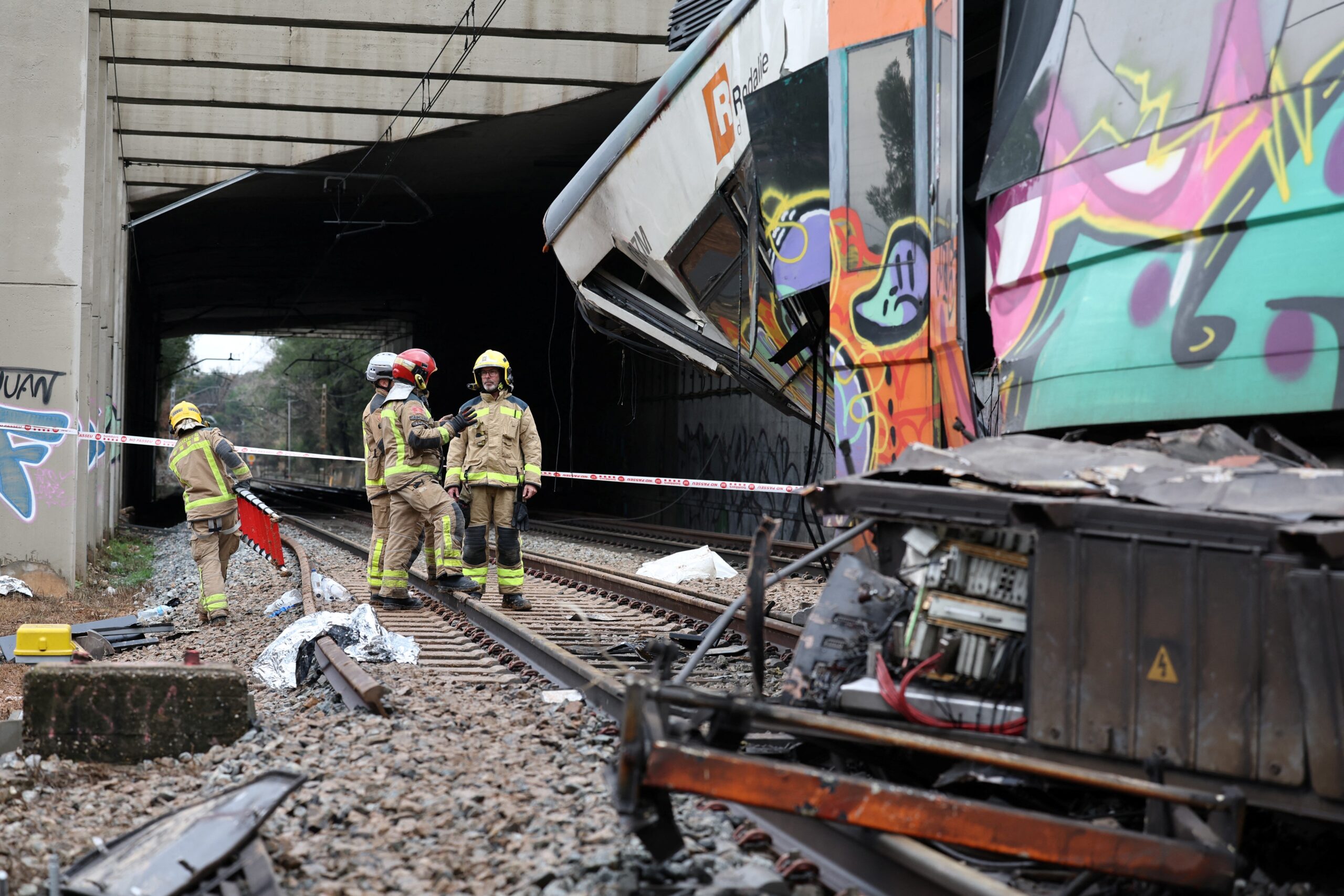
Train and Rail Accidents: What to Do and How to Stay Safe
Rail travel is a familiar part of everyday life in the UK, but accidents and incidents can still happen. They may involve a collision, derailment, a person falling or being injured on a platform, or an accident while boarding or leaving a train. Knowing how to respond can help protect you and others.
What to do in an emergency
If someone is seriously injured or in immediate danger, call 999 as soon as it is safe to do so. Give the operator the location, the nature of the incident and the number of people who may need help. Alert railway staff too, if they are nearby.
- Follow instructions from railway staff and emergency services.
- Move away from danger if you can do so safely.
- Do not enter the tracks or attempt to reach a person on the track. Trains may approach quietly and at speed, and railway equipment can remain dangerous even when a train has stopped.
- Do not move an injured person unless they are in immediate danger, or a trained responder tells you to.
- If it is safe, note the time, location and details of what happened.
For a non-emergency crime or safety concern on the rail network, contact the British Transport Police. In an emergency, always call 999.
Common types of rail accidents
Rail accidents can happen in different circumstances. Some involve trains, while others occur in stations or on railway property. Examples include:
- Collisions or derailments
- Falls on platforms, stairs or train interiors
- Injuries while boarding or getting off a train
- Accidents involving doors, luggage or other passengers
- Incidents at level crossings
The cause is not always clear at first. Investigations may be carried out by the relevant railway organisations and, where appropriate, independent authorities.
After an accident
If you are injured, seek medical attention, even if the injury seems minor at first. Keep copies of medical records and any correspondence about your treatment. If possible, make a note of what happened while the details are fresh. Photographs, witness names and contact details, and information about the train or station may also be useful.
Report the incident to the train operator or the organisation responsible for the location. Keep a record of when and how you reported it, along with any reference number you receive. If you have travel or personal insurance, check your policy documents and contact your insurer to understand what information they need. Cover varies between policies, so avoid assuming that a particular loss or injury is included.
Getting advice about an injury
If you believe another party may be responsible for an injury, consider getting independent legal advice. The circumstances of each accident are different, and responsibility cannot be determined from the fact that an incident occurred alone. Time limits may apply to legal claims, so it is sensible to seek advice promptly.
This article is for general information only and is not a substitute for medical, legal or insurance advice. In an emergency, contact the emergency services and follow the instructions of railway staff.
Railway Accidents: Five Frequently Asked Questions
- What do you mean by railway accident?
- How rare is a train accident?
- What are the examples of rail accidents?
- What is the world’s largest train accident?
- How do you write a train accident?
What do you mean by railway accident?
A railway accident is an unexpected event involving a train, railway line or station that causes injury, damage or disruption. This can include a train collision or derailment, as well as incidents such as a passenger being injured while boarding, falling on a platform or being struck by a train. The term can have different meanings in legal, safety and insurance contexts, so its exact definition may depend on the circumstances and the relevant policy or rules.
How rare is a train accident?
Serious train accidents are rare in the UK, and rail travel is generally considered a safe way to travel. Minor incidents, such as slips, falls or delays caused by operational problems, are more common than collisions or derailments. The likelihood of an accident can vary depending on what is being counted, so it is best to distinguish everyday incidents from serious accidents involving trains.
What are the examples of rail accidents?
Examples of rail accidents include train collisions and derailments, incidents at level crossings, passengers falling on platforms or inside trains, injuries while boarding or getting off, and accidents involving railway staff or people on the tracks. Accidents can also include fires or other events that cause injury or damage to trains, stations or railway infrastructure.
What is the world’s largest train accident?
The 1981 Bihar train disaster in India is often described as the world’s deadliest rail accident. A passenger train derailed and plunged into the Bagmati River during a cyclone; estimates of the death toll vary widely, from around 500 to more than 800 people. Because records were incomplete and the recovery was difficult, the exact number of victims remains uncertain.
How do you write a train accident?
“Train accident” is written as two words, with no hyphen. If you mean how to describe an incident, state clearly when and where it happened, what you saw, who was involved and whether anyone was injured. Stick to facts, use plain language and avoid guessing about the cause.