
Your Insurance Can Cover Emergency Accommodation and Repatriation
When it comes to travel insurance, most people think about coverage for lost luggage, trip cancellations, or medical emergencies. However, did you know that your insurance can also provide protection in situations that require emergency accommodation and repatriation?
Imagine you’re travelling abroad and your accommodation becomes uninhabitable due to unforeseen circumstances such as a natural disaster or a fire. In such cases, having insurance that covers emergency accommodation can be a lifesaver. Your policy may reimburse you for the cost of alternative lodging while ensuring your comfort and safety during a stressful situation.
Additionally, repatriation coverage is essential in situations where you need to be transported back to your home country due to a medical emergency or other unforeseen events. This could involve arranging for medical transportation or even covering the costs of bringing a family member to accompany you during the journey home.
It’s important to review your travel insurance policy to understand the extent of coverage provided for emergency accommodation and repatriation. Some policies may have specific limitations or requirements, so it’s crucial to be aware of what is included in your plan.
By having comprehensive travel insurance that includes coverage for emergency accommodation and repatriation, you can travel with peace of mind knowing that you’re protected in unexpected situations that may arise during your journey.
8 Essential Tips to Ensure Your Insurance Covers Emergency Accommodation and Repatriation
- Check your insurance policy to understand what emergency accommodation expenses are covered.
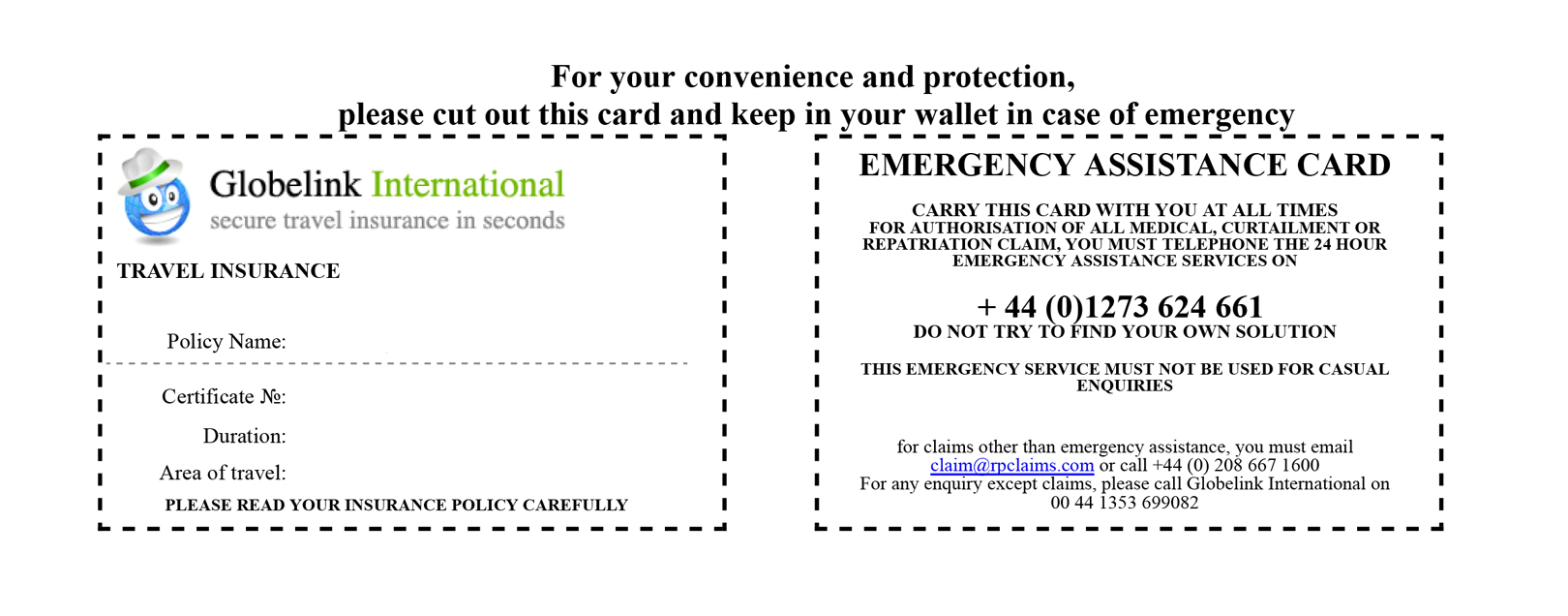
- Keep copies of your insurance documents handy when travelling for easy access in case of emergencies.
- Inform your insurance provider immediately if you require emergency accommodation or repatriation assistance.
- Follow the procedures outlined by your insurance company to ensure coverage for emergency expenses.
- Document all relevant information and receipts related to emergency accommodation and repatriation for claims purposes.
- Understand the limits and exclusions of your insurance coverage for emergency situations.
- Contact the 24/7 emergency assistance hotline provided by your insurer in case of urgent need for accommodation or repatriation.
- Stay in communication with your insurance company throughout the process to ensure a smooth arrangement for emergency services.
Check your insurance policy to understand what emergency accommodation expenses are covered.
It is crucial to check your insurance policy to fully understand what emergency accommodation expenses are covered. By reviewing the details of your policy, you can ensure that you have the necessary coverage in place for situations where you may require alternative lodging due to unforeseen circumstances. Knowing the extent of your insurance’s provisions for emergency accommodation will help you make informed decisions and be prepared for any unexpected events that may arise during your travels.
Keep copies of your insurance documents handy when travelling for easy access in case of emergencies.
It is advisable to keep copies of your insurance documents readily accessible when travelling to ensure quick and easy access in case of emergencies. Having these documents on hand can be invaluable in situations where you need to arrange emergency accommodation or repatriation. By being prepared with your insurance information, you can expedite the process and receive the necessary assistance promptly, giving you peace of mind during unexpected events while away from home.
Inform your insurance provider immediately if you require emergency accommodation or repatriation assistance.
It is crucial to inform your insurance provider immediately if you find yourself in need of emergency accommodation or repatriation assistance while travelling. By notifying your insurance company promptly, you can ensure that the necessary arrangements are made swiftly and efficiently to support you during a challenging situation. Providing timely information allows your insurer to guide you through the process and assist you in accessing the coverage available for emergency accommodation and repatriation, giving you the peace of mind and support you need during unexpected travel disruptions.
Follow the procedures outlined by your insurance company to ensure coverage for emergency expenses.
It is crucial to follow the procedures outlined by your insurance company to ensure coverage for emergency expenses such as accommodation and repatriation. By adhering to the guidelines provided in your policy, you can streamline the claims process and receive the necessary support promptly. Failure to follow the specified procedures may result in delays or even denial of coverage, leaving you vulnerable in times of crisis. Therefore, it is essential to familiarise yourself with your insurance policy’s requirements and take proactive steps to comply with them in case of any unforeseen emergencies during your travels.
Document all relevant information and receipts related to emergency accommodation and repatriation for claims purposes.
It is crucial to document all relevant information and keep receipts related to emergency accommodation and repatriation for claims purposes. In the event that you need to make a claim for these expenses, having detailed records will streamline the process and increase the likelihood of a successful reimbursement. Make sure to retain copies of accommodation invoices, transportation receipts, medical reports, and any other documentation that supports your claim. By being organised and thorough in documenting your emergency expenses, you can ensure a smoother claims process and maximise the benefits provided by your insurance coverage.
Understand the limits and exclusions of your insurance coverage for emergency situations.
It is crucial to understand the limits and exclusions of your insurance coverage for emergency situations, such as emergency accommodation and repatriation. Before you embark on your journey, take the time to review your policy carefully to ensure you are aware of any restrictions or conditions that may apply. By understanding the specific details of your coverage, you can make informed decisions in times of need and avoid any surprises when seeking assistance for emergency accommodation or repatriation.
Contact the 24/7 emergency assistance hotline provided by your insurer in case of urgent need for accommodation or repatriation.
In the event of an urgent need for emergency accommodation or repatriation while travelling, it is crucial to contact the 24/7 emergency assistance hotline provided by your insurer. This dedicated service ensures that you receive immediate support and guidance in navigating challenging situations, such as finding suitable accommodation or arranging for safe repatriation back to your home country. By utilising this valuable resource, you can access timely assistance and expert advice to address emergencies effectively and alleviate stress during unexpected travel disruptions.
Stay in communication with your insurance company throughout the process to ensure a smooth arrangement for emergency services.
It is crucial to stay in communication with your insurance company throughout the process of arranging emergency accommodation and repatriation coverage. By keeping your insurer informed of the situation and any developments, you can ensure a smooth and efficient handling of emergency services. Your insurance provider can offer guidance, support, and assistance as needed, helping to streamline the process and alleviate any potential challenges that may arise during these critical moments. Effective communication with your insurance company is key to receiving timely and appropriate assistance during emergencies, providing you with the necessary peace of mind while navigating unexpected travel disruptions.