
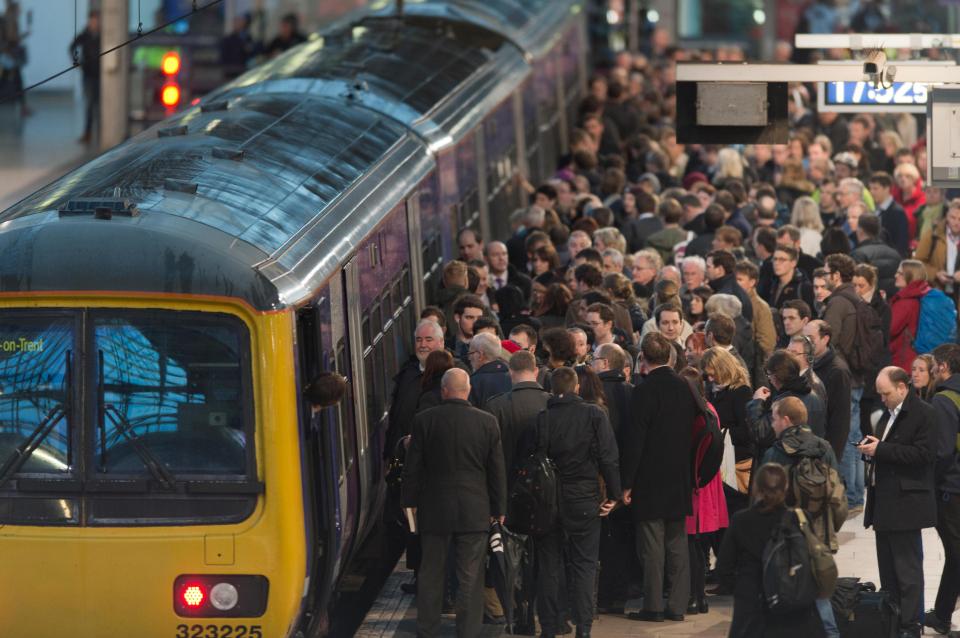
Delays to Train Services: A Common Frustration for Commuters
Train delays have become an all too familiar occurrence for commuters across the UK. Whether it’s due to signal failures, adverse weather conditions, or staffing issues, these disruptions can cause frustration and inconvenience for passengers.
One of the main reasons for train delays is infrastructure problems. With an aging rail network in need of upgrades and maintenance, issues such as track defects and signalling faults can lead to service disruptions. Additionally, unexpected events like accidents or trespassing on tracks can also result in delays.
Weather conditions play a significant role in causing delays to train services. Heavy rain, snow, or high winds can affect tracks and overhead lines, leading to slower speeds and cancellations. During extreme weather events, safety concerns often take precedence, further impacting the reliability of train services.
Another common cause of delays is rolling stock issues. Mechanical failures or breakdowns can result in trains being taken out of service, causing disruptions to timetables and forcing passengers to wait longer for their journeys.
For commuters who rely on trains for their daily travel needs, these delays can have a ripple effect on their schedules and productivity. Late arrivals at work or missed connections can add stress to already busy lives.
Train operators are continuously working to improve their services and minimise delays. Investing in new technology, enhancing maintenance procedures, and improving communication with passengers are just some of the strategies being implemented to address this issue.
While train delays may be an unavoidable part of modern railway travel, staying informed about service updates and planning ahead can help passengers better cope with unexpected disruptions. By working together with rail authorities and fellow commuters, we can navigate through these challenges and strive for a more reliable train service experience.
Understanding Train Delays: Answers to Common Questions and Solutions
- Why do train services get delayed?
- How often do train delays occur?
- What should I do if my train is delayed?
- Can I claim compensation for a delayed train service?
- How can I check for live updates on train delays?
- Are there any alternative routes available during a delay?
- What measures are being taken to reduce train delays?
Why do train services get delayed?
Train services experience delays for a variety of reasons. Common factors include infrastructure issues such as track defects and signalling faults, adverse weather conditions like heavy rain or snow affecting tracks and overhead lines, rolling stock problems such as mechanical failures leading to train breakdowns, as well as unexpected events like accidents or trespassing on tracks. These disruptions can impact the reliability of train services and cause inconvenience to passengers. Train operators are continuously working to address these challenges through investments in technology, maintenance improvements, and enhanced communication strategies to minimise delays and provide a more reliable service for commuters.
How often do train delays occur?
Train delays are a common occurrence in the UK rail network, with their frequency varying depending on various factors such as the time of day, weather conditions, and the overall condition of the infrastructure. On average, train delays can occur daily across different routes and train operators due to a range of issues like signal failures, track maintenance, rolling stock problems, and unforeseen incidents. While some delays may be minor and quickly resolved, others can lead to significant disruptions affecting multiple services and passengers. Staying informed about potential delays through real-time updates from train operators can help passengers better anticipate and manage any interruptions to their journeys.
What should I do if my train is delayed?
In the event that your train is delayed, it is important to stay informed and take appropriate steps to minimize any inconvenience. Firstly, check for updates on the delay through official communication channels such as the train operator’s website or social media platforms. This will provide you with real-time information on the status of your journey and any alternative arrangements being made. If possible, consider contacting the train staff or station personnel for further assistance or guidance. Depending on the circumstances of the delay, you may be entitled to compensation or alternative travel options, so it is advisable to keep any relevant tickets or receipts for future reference. Remain patient and flexible during these situations, as train delays are often beyond anyone’s control, and remember that safety is always the top priority for both passengers and rail staff.
Can I claim compensation for a delayed train service?
Passengers may be eligible to claim compensation for a delayed train service, depending on the circumstances and the policies of the specific train operator. In the UK, there are regulations in place that outline passenger rights regarding delays and cancellations. Typically, if a train is delayed by a certain amount of time, passengers may be entitled to compensation, either in the form of a refund or a voucher for future travel. It’s important for passengers to familiarise themselves with the terms and conditions of their ticket and to keep any relevant documentation, such as ticket receipts and journey details, in case they need to make a claim for compensation due to a delayed train service.
How can I check for live updates on train delays?
To stay informed about live updates on train delays, passengers can utilise various resources provided by train operators and rail authorities. One common method is to visit the official website of the train company or network, where real-time service updates are often posted. Many operators also have dedicated mobile apps that offer live information on delays, cancellations, and alternative routes. Additionally, following official social media accounts or subscribing to email or text alerts can provide passengers with timely notifications about any disruptions to train services. By actively monitoring these channels, passengers can better plan their journeys and adjust their schedules accordingly in response to any unexpected delays.
Are there any alternative routes available during a delay?
During a train service delay, passengers often wonder if there are any alternative routes available to reach their destination. In some cases, train operators may provide information on alternative transport options, such as bus services or rerouted trains. Passengers can also check with station staff or online resources for guidance on possible detours or connecting services that can help them reach their destination despite the delay. Being proactive and exploring alternative routes can sometimes offer a quicker way to continue the journey and minimise the impact of the delay on travel plans.
What measures are being taken to reduce train delays?
Efforts to reduce train delays are a top priority for railway authorities, who are implementing various measures to enhance the reliability and efficiency of train services. Investments in upgrading infrastructure, such as tracks, signalling systems, and stations, aim to address root causes of delays. Improved maintenance practices and proactive monitoring of rolling stock help prevent mechanical failures that can disrupt schedules. Enhanced communication strategies keep passengers informed about service updates and alternative travel options during disruptions. Collaboration between train operators, network managers, and industry stakeholders is key to implementing comprehensive solutions that ultimately aim to minimise delays and improve the overall passenger experience.