
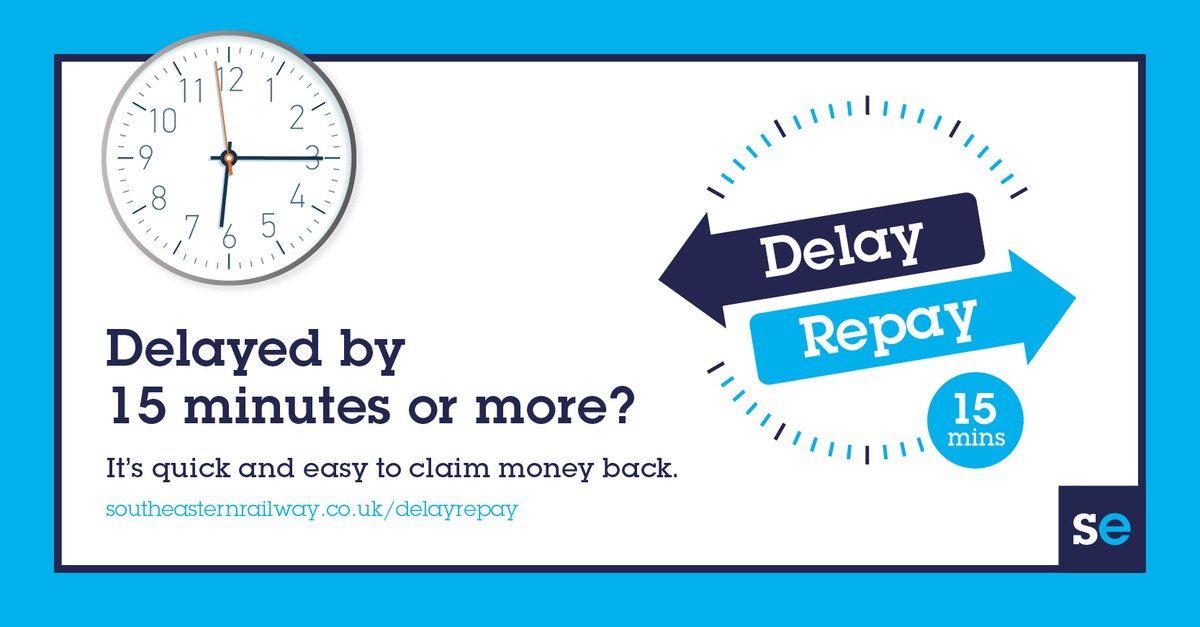
The Importance of Claiming Delay Repay Compensation
Train delays are an inevitable part of travelling by rail. Whether it’s due to signal failures, adverse weather conditions, or other unforeseen circumstances, disruptions to train services can be frustrating for passengers.
Fortunately, many train operators offer a Delay Repay scheme that allows passengers to claim compensation for delayed journeys. This compensation is designed to provide some reimbursement for the inconvenience caused by the delay and to incentivise train operators to improve their services.
It’s important for passengers to be aware of their rights when it comes to claiming Delay Repay compensation. Most train operators have specific guidelines outlining the eligibility criteria for making a claim, including the minimum length of delay required before compensation is available.
Passengers typically need to provide details such as their ticket information, journey details, and proof of the delay when submitting a claim. It’s essential to keep hold of your ticket and any relevant documentation in case you need to make a claim in the future.
Claiming Delay Repay compensation not only helps passengers recoup some of the costs incurred due to train delays but also sends a message to train operators about the importance of punctuality and reliability. By holding operators accountable for delays, passengers play a crucial role in driving improvements in the rail industry.
In conclusion, if you’ve experienced a significant delay during your train journey, don’t hesitate to explore your options for claiming Delay Repay compensation. It’s an important way to assert your rights as a passenger and contribute to a more efficient and customer-focused railway network.
Understanding Delay Repay Compensation: Your Guide to Eligibility, Claims, and FAQs
- What is Delay Repay compensation?
- How do I know if I am eligible for Delay Repay compensation?
- What documentation do I need to submit a claim for Delay Repay compensation?
- Is there a minimum delay required to be eligible for Delay Repay compensation?
- How long does it take to receive Delay Repay compensation once a claim is submitted?
- Can I claim Delay Repay compensation if my train was cancelled rather than delayed?
- Are there any circumstances where Delay Repay compensation may not be applicable?
- Can I claim for additional expenses incurred due to a train delay through the Delay Repay scheme?
What is Delay Repay compensation?
Delay Repay compensation is a scheme offered by many train operators that allows passengers to claim reimbursement for journeys that have been significantly delayed. This compensation is designed to provide some financial relief for the inconvenience caused by train delays and to encourage operators to improve their services. To be eligible for Delay Repay compensation, passengers typically need to meet certain criteria set out by the train operator, such as the minimum length of delay required before compensation can be claimed. By understanding and utilising the Delay Repay scheme, passengers can assert their rights and seek redress for disruptions to their travel plans.
How do I know if I am eligible for Delay Repay compensation?
To determine if you are eligible for Delay Repay compensation, you should check the specific guidelines provided by your train operator. In general, eligibility criteria often include factors such as the length of delay experienced during your journey and the type of ticket you purchased. Typically, passengers are required to have faced a minimum delay threshold before they can make a claim. It’s important to keep hold of your ticket and any relevant documentation as proof of your journey and the delay incurred. By familiarising yourself with your train operator’s policies and requirements, you can ensure that you meet the necessary criteria to claim Delay Repay compensation for any eligible delays you experience during your rail travel.
What documentation do I need to submit a claim for Delay Repay compensation?
When submitting a claim for Delay Repay compensation, it is essential to have the necessary documentation to support your request. Typically, you will need to provide details such as your ticket information, including the ticket type and fare paid, as well as specifics about your journey, such as the date, time, and route taken. Additionally, proof of the delay is crucial, so retaining your ticket and any relevant travel documents is important. Having this documentation ready when making a claim will help streamline the process and increase the likelihood of a successful compensation outcome.
Is there a minimum delay required to be eligible for Delay Repay compensation?
When it comes to claiming Delay Repay compensation, one common question that arises is whether there is a minimum delay required to be eligible for compensation. The answer varies depending on the train operator, but in general, most operators have specific guidelines specifying the minimum length of delay needed before passengers can claim compensation. This minimum delay threshold is typically outlined in the terms and conditions of the Delay Repay scheme and may vary from operator to operator. It’s important for passengers to familiarise themselves with these requirements to ensure they meet the eligibility criteria when making a claim for compensation due to train delays.
How long does it take to receive Delay Repay compensation once a claim is submitted?
Once a Delay Repay compensation claim is submitted, the processing time can vary depending on the train operator and the specific circumstances of the delay. In general, most train operators aim to process claims promptly and efficiently. Typically, passengers can expect to receive their compensation within a few weeks of submitting a claim. However, some operators may take longer to investigate the claim and verify the details before issuing compensation. It’s advisable for passengers to keep track of their claim reference number and any communication from the train operator regarding the status of their claim. If there are any delays in receiving compensation, passengers can reach out to the operator’s customer service team for updates and assistance.
Can I claim Delay Repay compensation if my train was cancelled rather than delayed?
When a train is cancelled rather than delayed, passengers may still be eligible to claim Delay Repay compensation, depending on the specific policies of the train operator. Many operators consider a cancelled service as an eligible circumstance for compensation, as it still results in inconvenience and disruption to passengers’ travel plans. It’s advisable for passengers affected by train cancellations to review the terms and conditions of the Delay Repay scheme offered by their operator and follow the necessary steps to submit a claim if they believe they are entitled to compensation.
Are there any circumstances where Delay Repay compensation may not be applicable?
In certain circumstances, Delay Repay compensation may not be applicable. For example, if the delay is due to factors beyond the train operator’s control, such as severe weather conditions or major incidents on the rail network, compensation may not be provided. Additionally, if the delay falls below the minimum threshold set by the train operator for eligibility, passengers may not be entitled to claim compensation. It’s important for passengers to familiarise themselves with the specific terms and conditions of the Delay Repay scheme offered by their train operator to understand any limitations on when compensation may not be applicable.
Can I claim for additional expenses incurred due to a train delay through the Delay Repay scheme?
When it comes to claiming compensation for train delays through the Delay Repay scheme, passengers often wonder if they can also claim for additional expenses incurred as a result of the delay. Generally, the Delay Repay scheme is designed to compensate passengers for the inconvenience of delayed journeys by providing reimbursement for the cost of their ticket. However, in some cases, train operators may consider claims for additional expenses such as alternative transport costs or missed connections due to the delay. It’s advisable to check the specific guidelines of the train operator you travelled with to see if they offer compensation for supplementary expenses and what documentation may be required to support such claims.