
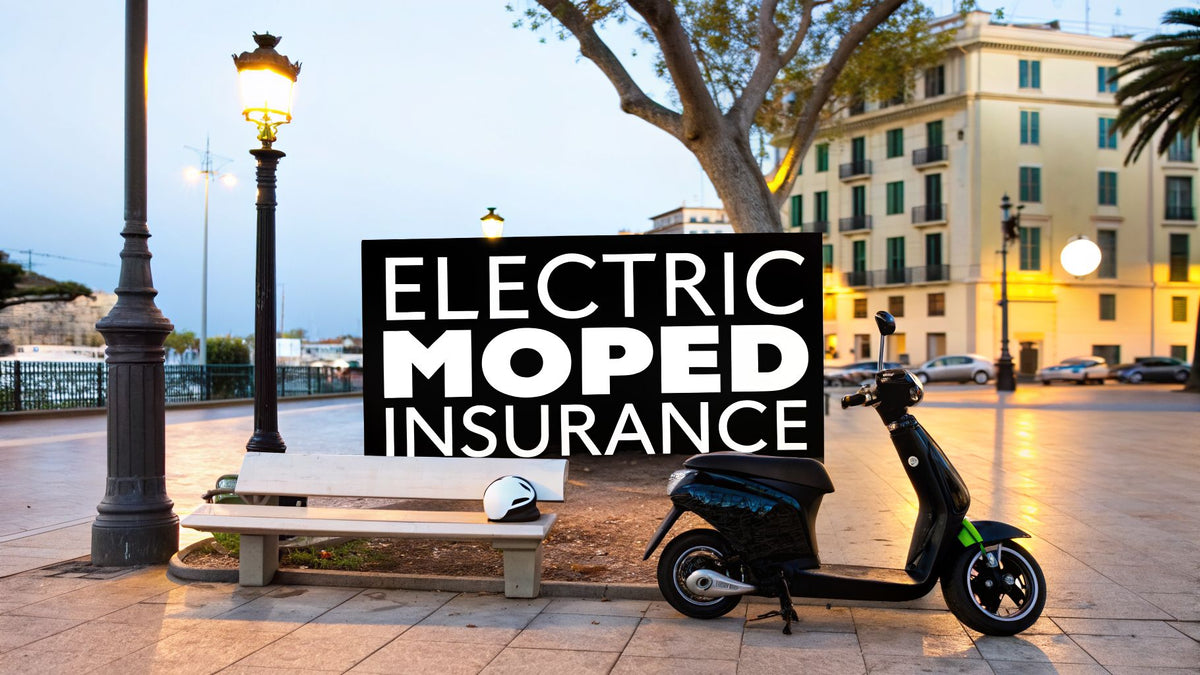
Moped Insurance: A Guide for UK Riders
A moped can be an affordable and convenient way to get around, whether you use it for commuting, local journeys or weekend rides. Before taking it on a public road, you’ll need suitable insurance. Understanding the types of cover available and what affects the price can help you choose a policy that fits your needs.
Is moped insurance compulsory?
Yes. In the UK, a moped used on public roads must have at least third-party insurance. This is the minimum level of motor insurance required by law and covers injury to other people and damage to their property if you’re responsible for an accident. It does not cover damage to your own moped or your own injuries.
If you keep a moped off the road and do not use it, you may be able to declare it off road with a Statutory Off Road Notification (SORN). Check the current DVLA requirements and make sure the vehicle is kept off public roads while it is declared off road.
What does moped insurance cover?
The cover you receive depends on the policy and insurer. Common options include:
- Third party: Covers your liability for injury to other people and damage to their property. It does not cover your own moped.
- Third party, fire and theft: Includes third-party cover, plus cover if your moped is stolen or damaged by fire, subject to the policy terms.
- Comprehensive: Can cover damage to your moped as well as third-party claims, including when an accident is your fault. Check the policy wording for exclusions and limits.
A more extensive policy does not always cost more than basic cover, so it can be worth comparing several levels of cover rather than assuming third party will be cheapest.
Optional extras to consider
Some insurers offer additional cover, either as standard or for an extra cost. Depending on how you ride, you might look for:
- Breakdown assistance
- Cover for a helmet and protective clothing
- Personal accident cover
- Legal expenses cover
- A replacement vehicle after an insured incident
- Cover for a pillion passenger, if your moped is approved for carrying one
Optional benefits vary between insurers. Check the limits, excesses and conditions carefully, and avoid paying for cover you do not need.
What affects the cost of moped insurance?
Insurers assess risk in different ways, so prices can vary significantly. Factors that may affect your quote include:
- Your age, location and riding experience
- The moped’s make, model, value, engine size and security features
- Where it is kept overnight, such as in a locked garage or on the street
- Your annual mileage and how you use the moped
- Your claims history and no-claims discount
- The voluntary excess you choose
- Any modifications or accessories fitted to the moped
- Whether you add another rider to the policy
Provide accurate information when getting a quote. For example, commuting, social use and business use may be treated differently. If your circumstances or use change, tell your insurer. Incorrect or incomplete details could affect a claim or the validity of your cover.
Ways to find suitable cover
- Compare policies, not just prices. Check the cover limits, exclusions, excess and optional benefits.
- Choose an appropriate excess. A higher voluntary excess may reduce the premium, but make sure you could afford to pay it if you make a claim.
- Improve security. Use suitable locks and consider secure overnight storage. Tell the insurer about security devices and follow any policy requirements.
- Build a no-claims record. A claim-free history may help you qualify for a no-claims discount, depending on the insurer’s rules.
- Declare modifications. Even changes that seem minor may need to be disclosed. Check with your insurer before making alterations.
- Check the details before buying. Confirm that the policy covers your moped, intended use and any other riders who need to be insured.
Before you ride
Make sure you have the correct licence or entitlement for your moped and that the vehicle meets relevant registration, roadworthiness and safety requirements. Insurance does not replace these obligations. If you are unsure what rules apply to your particular vehicle or licence, check the latest guidance from GOV.UK.
Choosing moped insurance
The right moped insurance depends on your vehicle, how and where you ride, and the level of financial protection you want. Compare quotes alongside the policy wording, and check what is covered before choosing. A little time spent reviewing the details can help you find cover that suits your needs and ride with greater confidence.
7 Essential Moped Insurance Tips for UK Riders
- Third-party insurance is the legal minimum for riding on UK roads.
- Compare comprehensive and third-party, fire and theft cover.
- Declare all modifications and how you use your moped.
- Choose an excess you could afford to pay.
- Use approved locks and secure overnight storage to reduce theft risk.
- Check whether your policy covers commuting and riding abroad.
- Keep your policy details up to date and renew before it expires.
Third-party insurance is the legal minimum for riding on UK roads.
Third-party insurance is the legal minimum for riding a moped on UK roads. It covers your liability for injuries to other people and damage to their property if you’re responsible for an accident, but it won’t pay to repair or replace your own moped. Before you ride, check that your policy is active and covers how you intend to use the vehicle.
Compare comprehensive and third-party, fire and theft cover.
When comparing moped insurance, look at both comprehensive and third-party, fire and theft policies rather than assuming one is always better value. Third-party, fire and theft typically covers your liability to others, plus your moped if it is stolen or damaged by fire, while comprehensive cover may also pay for damage to your own moped after an accident. The exact protection, exclusions and excesses vary between insurers, so compare the policy details as well as the premiums to see which option best suits your needs and budget.
Declare all modifications and how you use your moped.
Always tell your insurer about any modifications to your moped, even if they seem minor, as changes can affect your cover and premium. Be clear about how you use it too, such as for commuting, social trips or business journeys, and update your insurer if this changes. Providing accurate information helps ensure your policy reflects your circumstances and can reduce the risk of problems if you need to make a claim.
Choose an excess you could afford to pay.
When choosing moped insurance, check the excess — the amount you must pay towards a claim. A higher voluntary excess may reduce your premium, but it could leave you with a larger bill if you need to claim. Choose an amount you could comfortably afford to pay, and make sure you understand how the compulsory and voluntary excesses are combined.
Use approved locks and secure overnight storage to reduce theft risk.
Using an insurer-approved lock and storing your moped securely overnight can help reduce the risk of theft. Where possible, keep it in a locked garage or shed, and secure it to an immovable object using a suitable chain or ground anchor. Check your policy for any specific security requirements, as failing to follow them could affect a theft claim.
Check whether your policy covers commuting and riding abroad.
Before choosing a moped insurance policy, check that it covers how you plan to use your vehicle. Social or leisure cover may not include commuting to work, so make sure commuting is specifically listed if you need it. If you intend to ride abroad, check which countries are covered, for how long, and whether you’ll receive the same level of protection as in the UK. Policy limits and requirements can vary, so read the terms or ask the insurer before travelling.
Keep your policy details up to date and renew before it expires.
Keep your moped insurance details up to date by telling your insurer about changes to your address, how you use the moped, where it is kept or who rides it. Check your renewal notice carefully to make sure the information and cover are still suitable, and arrange your renewal before the policy expires. Riding without valid insurance is illegal, so if you’re switching providers, make sure your new cover starts as soon as the old policy ends.