
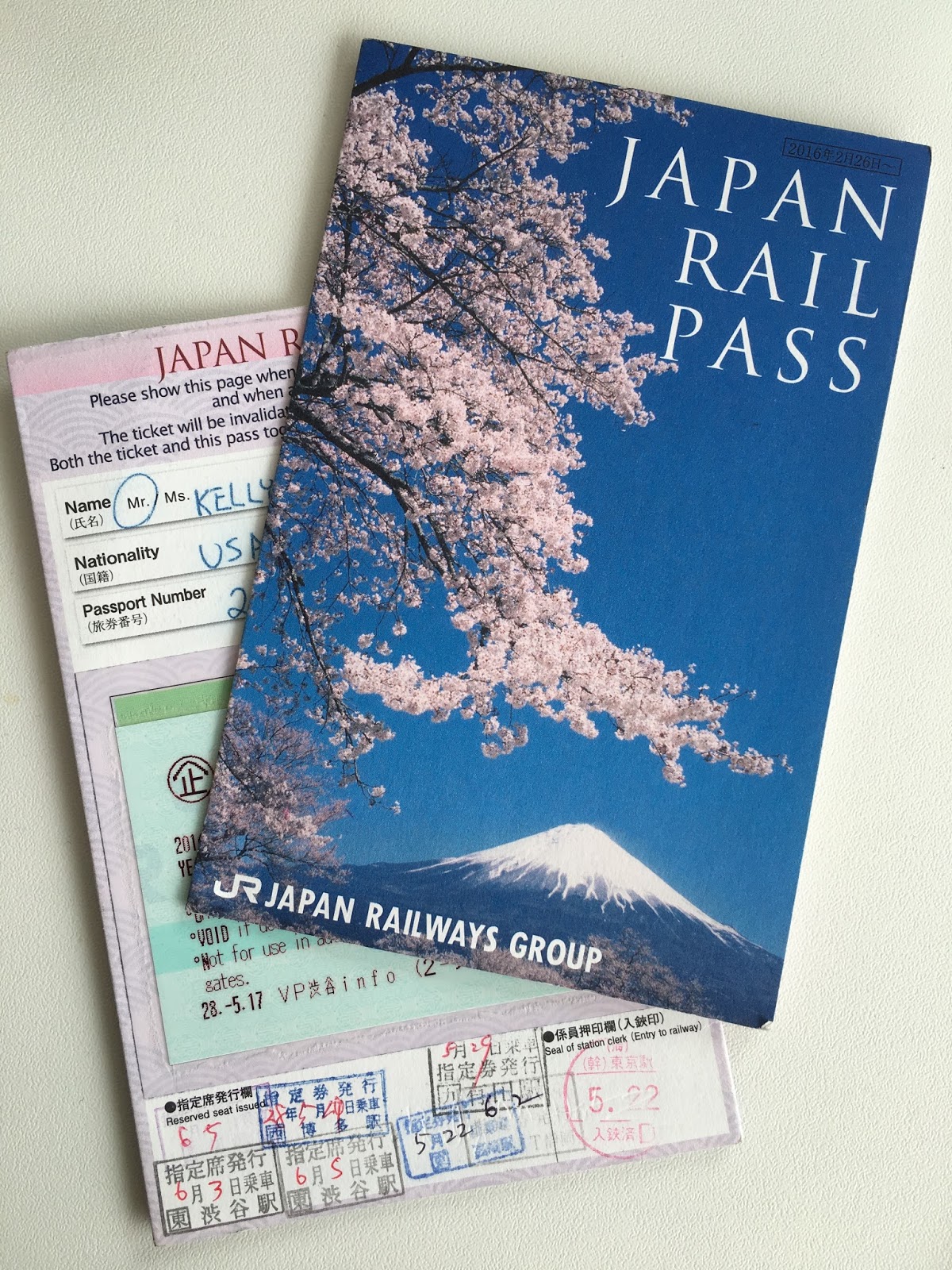
Rail pass cover: what you need to know
A rail pass can make travelling by train simpler and more flexible, whether you are exploring the UK or travelling across Europe. But if a pass is lost, stolen or cannot be used because your plans change, you could face extra costs. Rail pass cover may help protect you against some of these expenses, depending on the policy and the circumstances.
What is rail pass cover?
Rail pass cover is insurance that may reimburse you for the cost of a rail pass, or certain unused travel days, if an insured event prevents you from using it. It may be included within a broader travel insurance policy or offered as an optional extra. The exact cover varies between insurers, so check the policy wording before you buy.
Rail pass cover is different from the pass itself. A rail pass gives you the right to travel under its terms; insurance may provide financial protection if something goes wrong. It is also different from a Railcard, which usually gives eligible travellers discounts on selected fares rather than unlimited or multi-journey travel.
What might be covered?
Depending on the policy, rail pass cover may help with costs if:
- Your trip is cancelled or cut short for a reason listed in the policy, such as a serious illness or injury.
- Your pass is lost or stolen, and you meet the insurer’s reporting and evidence requirements.
- You are unable to use some of the pass because of an insured disruption to your journey.
Cover is not automatic, and some policies may insure only the unused portion of a pass. Others may have a maximum payout, an excess, or specific rules about how and when the pass must be purchased.
What may not be covered?
Policies commonly exclude situations such as changing your mind, choosing not to travel, or missing a train because you did not allow enough time. A pass that is left unattended, lost through carelessness or not reported promptly may also fall outside the cover. Pre-existing medical conditions, travel against official advice and certain types of disruption may be subject to exclusions or conditions.
Do not assume that insurance will pay out simply because a pass is unused. The reason it could not be used must usually meet the policy’s definition of an insured event.
How to choose suitable cover
Before buying rail pass cover, consider the following:
- Check the value: Make sure the policy limit is enough to cover the pass or the potential cost of unused travel days.
- Read the exclusions: Look for restrictions relating to medical conditions, theft, cancellation and travel disruption.
- Understand the excess: This is the amount you may need to pay towards a claim.
- Check the timing rules: Some cover must be bought soon after booking the trip or purchasing the pass.
- Keep evidence: Save receipts, booking confirmations and any reports required if your pass is lost or stolen.
- Look for existing cover: Your travel insurance, bank account benefits or payment card may already provide relevant protection. Check the terms rather than assuming it does.
What to do if something goes wrong
If your pass is stolen, report it to the relevant authorities and the pass provider as soon as possible. Contact your insurer promptly and follow its instructions. Keep copies of your pass purchase receipt, travel documents and any reports or correspondence. If illness or another emergency affects your trip, obtain supporting documents where possible, such as medical evidence or confirmation from the transport provider.
Is rail pass cover worth considering?
It may be useful if your pass is expensive, non-refundable or represents a substantial part of your travel budget. It may be less valuable if the pass can be refunded or replaced easily, or if another policy already covers the same costs. Compare the potential benefit with the premium, excess and policy restrictions before deciding.
Rail pass cover can offer reassurance, but it is not a substitute for checking the pass’s own terms and conditions. Read both the pass rules and the insurance policy carefully so you know what is protected, what is excluded and what you would need to provide if you make a claim.
Rail Pass Cover: Frequently Asked Questions
- What is rail pass cover?
- What does rail pass cover include?
- Does rail pass cover protect me if my pass is lost or stolen?
- Can I claim for unused rail pass days if I cancel or cut short my trip?
- Does travel insurance include rail pass cover, or do I need to buy it separately?
- What exclusions and limits should I check before buying rail pass cover?
What is rail pass cover?
Rail pass cover is insurance that may help reimburse you for the cost of a rail pass, or its unused portion, if an event covered by your policy prevents you from using it. Depending on the policy, this may include cancellation due to illness or the loss or theft of your pass. Cover, limits and exclusions vary, so check the policy wording to understand what is and isn’t included.
What does rail pass cover include?
Rail pass cover may reimburse you for the cost of a pass, or its unused portion, if you cannot use it because of a reason covered by your policy, such as a serious illness, trip cancellation or theft. What’s included varies between insurers, and limits, excesses and exclusions may apply, so check the policy wording to see exactly what is covered and what evidence you’ll need to make a claim.
Does rail pass cover protect me if my pass is lost or stolen?
Rail pass cover may protect you if your pass is lost or stolen, but this depends on your policy’s terms and conditions. Cover may require you to report the loss or theft promptly to the relevant authorities and pass provider, and provide evidence such as a purchase receipt or police report. Check the policy limits, excess and exclusions, as some insurers may not cover a pass that was left unattended or lost through carelessness.
Can I claim for unused rail pass days if I cancel or cut short my trip?
You may be able to claim for unused rail pass days if you cancel or cut short your trip, but only when the reason is covered by your policy, such as a serious illness or another specified event. Cover, limits and exclusions vary, and simply changing your mind or deciding not to travel is generally not covered. Check your policy wording, including any excess and evidence requirements, and keep your pass, booking details and supporting documents to help with a claim.
Does travel insurance include rail pass cover, or do I need to buy it separately?
Travel insurance may include rail pass cover, but it depends on the policy. Some policies cover the cost of an unused pass if you have to cancel or cut short your trip for an insured reason, while others offer cover only as an optional extra or exclude rail passes altogether. Check the policy wording for cover limits, exclusions and any excess before you buy; if the protection you need is not included, you may be able to purchase it separately.
What exclusions and limits should I check before buying rail pass cover?
Before buying rail pass cover, check the policy’s exclusions, payout limit and excess. Cover may not apply if you simply change your mind, miss a train through poor planning, or lose your pass through carelessness; existing medical conditions and certain types of disruption may also be excluded or subject to conditions. Check whether the policy covers the full pass price or only unused travel days, and whether there are limits on the amount or number of days you can claim for. Make sure you understand when cover must be purchased, what evidence you will need, and how much you would have to pay towards a claim.