
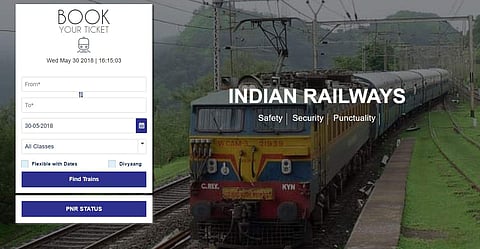
Indian Railway Passenger Travel Insurance Scheme: A Guide for Travellers
The Indian Railway passenger travel insurance scheme offers eligible passengers the option to buy accident cover when booking a train ticket online through the Indian Railway Catering and Tourism Corporation (IRCTC). For a small additional premium, the cover can provide financial support following certain serious injuries or deaths connected with a covered railway accident or untoward incident.
The insurance is optional. It is separate from the train ticket and is provided under the terms of the insurer’s policy, rather than being a general guarantee of compensation from Indian Railways.
How the scheme works
Eligible passengers may be offered the insurance option during an online e-ticket booking through IRCTC. If selected, the premium is added to the booking. The insurance is generally arranged through an insurer partnered with IRCTC, and the insurer’s policy wording sets out the cover, exclusions and claims process.
Availability, premium, eligibility rules and benefits can change. Check the information displayed during booking and the policy documents issued for the specific journey.
What may be covered?
Depending on the policy in force, benefits may include compensation for:
- Death resulting from a covered railway accident or untoward incident
- Permanent total disability
- Permanent partial disability
- Hospital expenses for injuries, where included in the policy
- Transport of mortal remains, subject to the policy limit
Benefit amounts and conditions are set by the applicable policy and may differ over time. The cover is not usually intended to reimburse ordinary travel disruption, such as train delays or cancellations, or loss of personal belongings unless the policy specifically says otherwise.
Who can take out the insurance?
The option is generally associated with eligible passengers booking e-tickets through IRCTC. Restrictions may apply, including rules relating to passenger age, citizenship, ticket type or booking channel. Confirm eligibility at the time of booking; do not assume that cover is included automatically.
Where insurance is selected, passengers may be asked to provide nominee details. Check that these details are accurate and retain the ticket, booking confirmation and insurance documents.
What to do if there is an incident
- Seek medical or emergency assistance and report the incident to the appropriate railway authorities.
- Notify the insurer as soon as possible, using the contact details in the policy documents.
- Keep relevant records, such as the ticket, identity documents, medical reports, bills and any official incident report.
- Submit the claim and supporting documents within the insurer’s stated time limits.
The insurer assesses claims under the policy terms. Compensation is not automatic, and the insurer may request further evidence. For a claim involving injury or death, the required documents and process can differ, so follow the insurer’s instructions carefully.
Is the insurance worth considering?
The scheme may provide a modest additional layer of protection for a low premium, particularly for passengers who want accident cover linked to their journey. However, it is not a substitute for broader personal accident, health or travel insurance. Before selecting it, review the benefit limits, exclusions, eligibility conditions and claims process, and consider any cover you already have.
Important: Scheme details and policy terms can change. For current information, consult IRCTC and the insurer named in the booking documents. This article is for general information and is not a statement of current policy terms or financial advice.
Essential Tips for Navigating the Indian Railway Passenger Travel Insurance Scheme
- Check whether travel insurance is offered when booking your eligible train ticket.
- Read the current policy wording before opting in.
- Confirm who is covered under the booking and policy.
- Check the cover limits for death, injury and medical expenses.
- Make sure the passenger and journey details are correct.
- Save the policy document and insurance certificate.
- Tell fellow travellers or family where to find the policy details.
- Keep tickets, medical records and other evidence if you need to claim.
- Note the insurer’s claim deadline and contact details.
Check whether travel insurance is offered when booking your eligible train ticket.
When booking an eligible train ticket through IRCTC, check whether the passenger travel insurance option is offered before completing your purchase. The cover is optional and may not be available for every ticket or booking, so review the details shown at checkout rather than assuming it is included. If you choose to add it, read the policy terms, benefit limits and exclusions, and make sure you receive and keep the insurance documents.
Read the current policy wording before opting in.
Before opting in to the Indian Railway passenger travel insurance scheme, read the current policy wording carefully. It explains what is covered, who is eligible, the benefit limits, exclusions and how to make a claim. Terms can change, so check the documents provided for your specific booking rather than relying on older information or assuming the cover includes delays, cancellations or lost belongings.
Confirm who is covered under the booking and policy.
Before relying on Indian Railway passenger travel insurance, check exactly who is covered under the booking and the policy. Confirm that each passenger you expect to be insured is eligible, included in the ticket booking and covered by the policy terms; don’t assume that cover automatically extends to everyone travelling together. Check the insurer’s documents for any age or other eligibility limits, and make sure nominee details are accurate where required.
Check the cover limits for death, injury and medical expenses.
Before opting for Indian Railway passenger travel insurance, check the policy’s cover limits for death, injury and medical expenses. These limits determine the maximum amount payable, and benefits may vary depending on the severity of an injury or the type of claim. Read the current policy documents carefully, including any exclusions and conditions, so you understand what is covered and whether the protection meets your needs.
Make sure the passenger and journey details are correct.
Before selecting the Indian Railway passenger travel insurance scheme, check that each passenger’s name and other booking details are accurate, and that the journey information matches your ticket. Incorrect or inconsistent details could complicate a claim, so review the booking confirmation and insurance documents carefully, and contact IRCTC or the insurer promptly if you spot an error.
Save the policy document and insurance certificate.
Save the policy document and insurance certificate as soon as they are issued, and keep a copy somewhere you can access easily during your journey. These documents explain what your Indian Railway passenger travel insurance covers, any exclusions or limits, and how to contact the insurer or make a claim. Keep your ticket and booking confirmation with them, too, as these may be needed if you need to verify your cover.
Tell fellow travellers or family where to find the policy details.
Let family members or fellow travellers know where to find your Indian Railway passenger travel insurance policy details, such as in your booking confirmation, policy document or saved email. This can help them access the insurer’s contact information and understand the cover if you need assistance during your journey.
Keep tickets, medical records and other evidence if you need to claim.
If you need to make a claim under the Indian Railway passenger travel insurance scheme, keep your ticket and booking confirmation, along with medical records, bills, incident reports and any other relevant evidence. These documents can help the insurer verify what happened and assess your claim. Contact the insurer promptly and check the policy for required documents and claim deadlines, as these can vary.
Note the insurer’s claim deadline and contact details.
Before travelling, check the policy documents for the insurer’s claim deadline and the correct contact details, and keep them somewhere easy to access. If an incident occurs, notify the insurer as soon as possible and follow its instructions, as late notification or missing documents could delay the claim or affect your eligibility.