
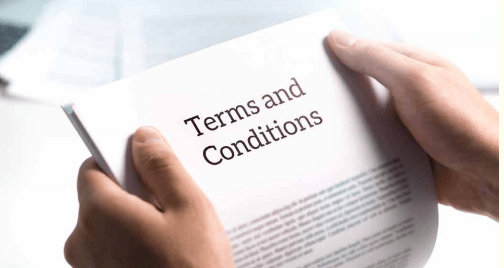
Understanding an Insurance Policy in the UK
An insurance policy is a formal agreement between a policyholder and an insurer. In return for a premium, the insurer agrees to provide cover for specified events, subject to the policy’s terms, conditions, limits and exclusions. Understanding these details can help you choose cover that suits your circumstances and avoid surprises if you need to make a claim.
What does an insurance policy include?
Although policies vary depending on the type of insurance, most set out:
- What is covered: the events, losses or liabilities the insurer may cover.
- What is excluded: situations or costs that are not covered.
- Cover limits: the maximum amount the insurer will pay.
- The excess: the amount you may need to contribute towards a claim.
- The policy period: when cover starts and ends.
- Your responsibilities: information you must provide and steps you must take, such as reporting an incident promptly.
Choosing the right policy
Before buying insurance, think about the risks you want to protect against and compare policies carefully. The cheapest option may not provide the cover you need, while a more comprehensive policy may include benefits that are not relevant to you.
Read the policy wording as well as the summary. Check the excess, exclusions, claim limits and any conditions that could affect a claim. Make sure the details you provide are accurate and complete; incorrect or missing information can affect your cover.
Insurance for train journeys
Travellers should check what protection is already available through their tickets, bank accounts, existing insurance or other arrangements before purchasing additional cover. Depending on the policy, travel insurance may cover certain unexpected events, such as medical emergencies or lost belongings, but cover for delays, missed connections and cancellations can vary.
Rail passengers may also have rights to compensation under the train operator’s passenger charter or applicable delay-compensation scheme. This is separate from an insurance policy, and eligibility depends on the journey and circumstances. Check the relevant operator’s rules and keep tickets and receipts if you need to make a claim.
Making a claim
If something happens that may be covered, contact your insurer as soon as practical and follow its claims process. Keep relevant documents, such as receipts, booking confirmations, reports and correspondence. Provide truthful information and meet any deadlines set out in your policy.
Reviewing your cover
Your needs can change over time, so review your insurance when your circumstances change or when a policy is due for renewal. If any part of the wording is unclear, ask the insurer or broker to explain it before you buy. Taking time to understand an insurance policy in the UK can help you make a more informed choice and know what to expect if you need to use your cover.
Essential Tips for Navigating Your Insurance Policy
- Read the policy wording carefully.
- Check what is and isn’t covered.
- Compare excesses and premiums.
- Declare all relevant information honestly.
- Keep your documents and receipts safe.
- Review your cover when circumstances change.
Read the policy wording carefully.
Read the policy wording carefully before taking out insurance. It explains what is covered, what is excluded, the limits that apply and any excess you may need to pay if you make a claim. Check the conditions and requirements too, as failing to meet them could affect your cover. If anything is unclear, ask the insurer or broker to explain it before you buy.
Check what is and isn’t covered.
Before taking out an insurance policy, check carefully what is and isn’t covered. Read the policy wording, not just the summary, and pay close attention to exclusions, cover limits, excesses and any conditions you must meet. This can help you understand when you can claim, avoid unexpected costs and choose cover that suits your needs.
Compare excesses and premiums.
When comparing insurance policies, look at the excess as well as the premium. A lower premium may come with a higher excess, meaning you’ll pay more towards a claim, while a higher premium might offer a lower excess. Check whether the excess applies per claim or per person, and consider what you could comfortably afford to pay if you needed to claim. Choosing the right balance can help you find cover that suits both your budget and your needs.
Declare all relevant information honestly.
Declare all relevant information honestly when applying for insurance. Give accurate, complete answers to the insurer’s questions and tell them about anything that could affect your cover. If details are missing or incorrect, your policy could be changed, a claim reduced or rejected, or your cover cancelled. If you are unsure whether something is relevant, ask the insurer before submitting your application.
Keep your documents and receipts safe.
Keep your insurance documents and receipts safe, as you may need them to check what your policy covers or support a claim. Store policy schedules, confirmation emails, booking details and receipts in a secure place, either as paper copies or digital files. If you make a claim, having this information readily available can help you provide evidence and keep the process straightforward.
Review your cover when circumstances change.
Review your insurance cover whenever your circumstances change, as a new home, job, vehicle, family member or travel routine could affect the protection you need. Check that your policy details remain accurate, that your cover limits are suitable and that any new risks are included. If you are unsure whether a change affects your policy, contact your insurer before you need to make a claim.