
Claim Compensation Up to 28 Days After Your Journey
Have you recently experienced a delay or cancellation during your train journey? Did you know that you may still be eligible to claim compensation up to 28 days after the incident?
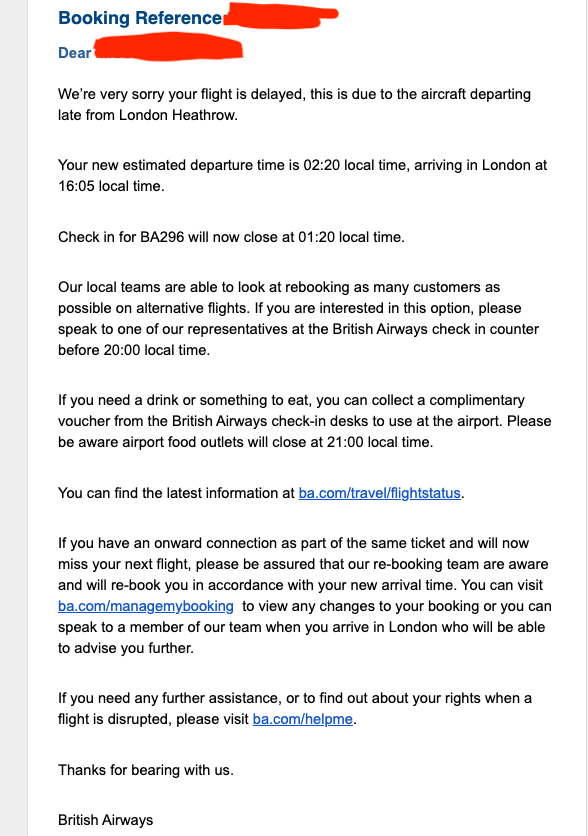
Many rail passengers are unaware of their rights when it comes to claiming compensation for disruptions to their travel plans. In the UK, if your train is delayed or cancelled, you may be entitled to receive compensation from the train operating company.
The good news is that most train operators allow passengers to submit compensation claims within a reasonable timeframe, typically up to 28 days after the date of the disrupted journey. This means that even if you were unable to file a claim immediately after the incident, you still have a window of opportunity to seek reimbursement for the inconvenience caused.
To claim compensation for a delayed or cancelled train journey, you will usually need to provide details such as your ticket information, journey details, and proof of the disruption (e.g., delay confirmation from the train operator). By following the specific guidelines set out by the train company, you can ensure that your claim is processed efficiently and fairly.
It’s important for passengers to be aware of their rights and take advantage of the compensation options available to them. By understanding how and when to claim compensation for disrupted journeys, passengers can hold train operators accountable for providing reliable and punctual services.
So remember, if you’ve experienced a delay or cancellation during your train journey, don’t hesitate to explore your options for claiming compensation – even if it’s been up to 28 days since the incident occurred.
8 Essential Tips for Claiming Travel Compensation Within 28 Days
- Make sure to keep all relevant documents, such as tickets and receipts.
- Report any issues or incidents that occurred during your journey promptly.
- Understand the terms and conditions of the compensation policy of the transport provider.
- Take note of important deadlines for submitting a compensation claim.
- Provide accurate details when submitting your claim to avoid delays or rejections.
- Keep records of any communication with the transport provider regarding your claim.
- Seek assistance from customer service if you need help with the claims process.
- Be patient while waiting for a response to your compensation claim.
Make sure to keep all relevant documents, such as tickets and receipts.
It is essential to keep all relevant documents, such as tickets and receipts, if you intend to claim compensation for a delayed or cancelled train journey within 28 days. These documents serve as crucial evidence to support your claim and help the train operating company process it efficiently. By maintaining a record of your travel details and any expenses incurred due to the disruption, you can ensure that your compensation claim is accurate and substantiated. Remember, thorough documentation can significantly increase your chances of receiving the reimbursement you are entitled to for the inconvenience caused during your journey.
Report any issues or incidents that occurred during your journey promptly.
To maximise your chances of successfully claiming compensation for any issues or incidents that occurred during your journey, it is crucial to report them promptly. Whether it’s a delay, cancellation, or any other disruption, notifying the train operating company as soon as possible can help ensure that your claim is processed efficiently and accurately. By acting swiftly and providing detailed information about the incident, you can demonstrate the impact it had on your travel experience and increase the likelihood of receiving the compensation you are entitled to, even if you do so within 28 days after the journey.
Understand the terms and conditions of the compensation policy of the transport provider.
It is essential to thoroughly understand the terms and conditions of the compensation policy offered by your transport provider. By familiarising yourself with the specific guidelines and requirements outlined in the policy, you can ensure that you meet all necessary criteria when submitting a claim for compensation up to 28 days after your journey. Being aware of the details of the policy will help you navigate the claims process effectively and increase your chances of receiving fair reimbursement for any disruptions you have experienced during your travel.
Take note of important deadlines for submitting a compensation claim.
It is crucial to take note of important deadlines for submitting a compensation claim after experiencing a delay or cancellation during your train journey. While many train operators allow passengers to claim compensation up to 28 days after the incident, it is essential to be aware of any specific timeframes or requirements set by the train company. By understanding and adhering to these deadlines, you can ensure that your claim is processed promptly and accurately, increasing the likelihood of receiving the compensation you are entitled to.
Provide accurate details when submitting your claim to avoid delays or rejections.
When submitting your claim for compensation up to 28 days after your journey, it is crucial to provide accurate details to avoid potential delays or rejections. Ensuring that you include all relevant information such as your ticket details, journey specifics, and proof of the disruption will help streamline the claims process. By adhering to the guidelines set by the train operator and submitting a comprehensive and precise claim, you can increase the likelihood of a successful outcome and receive the compensation you are entitled to without unnecessary setbacks.
Keep records of any communication with the transport provider regarding your claim.
It is essential to keep thorough records of any communication with the transport provider regarding your compensation claim, especially if you are claiming up to 28 days after your journey. Documenting emails, phone calls, letters, or any other correspondence can help support your claim and ensure that all relevant information is accurately conveyed. By maintaining a clear record of interactions with the transport provider, you can provide evidence of your efforts to seek compensation and increase the likelihood of a successful resolution to your claim.
Seek assistance from customer service if you need help with the claims process.
When seeking compensation for a delayed or cancelled train journey, it’s advisable to seek assistance from the customer service team if you require help with the claims process. Customer service representatives are trained to guide passengers through the necessary steps to submit a claim successfully, ensuring that all required information is provided accurately and promptly. By reaching out to customer service for support, you can navigate any potential challenges or queries that may arise during the compensation process, ultimately increasing your chances of a smooth and efficient claim experience.
Be patient while waiting for a response to your compensation claim.
When submitting a compensation claim for a delayed or cancelled train journey, it’s important to be patient while awaiting a response from the train operating company. Processing claims can take time as they require thorough review and verification of the details provided. By remaining patient and allowing the necessary time for the claim to be processed, you can ensure that your case is handled accurately and fairly. Remember that your entitlement to compensation is protected by regulations, and maintaining patience during this process will ultimately lead to a satisfactory resolution for your disrupted travel experience.