
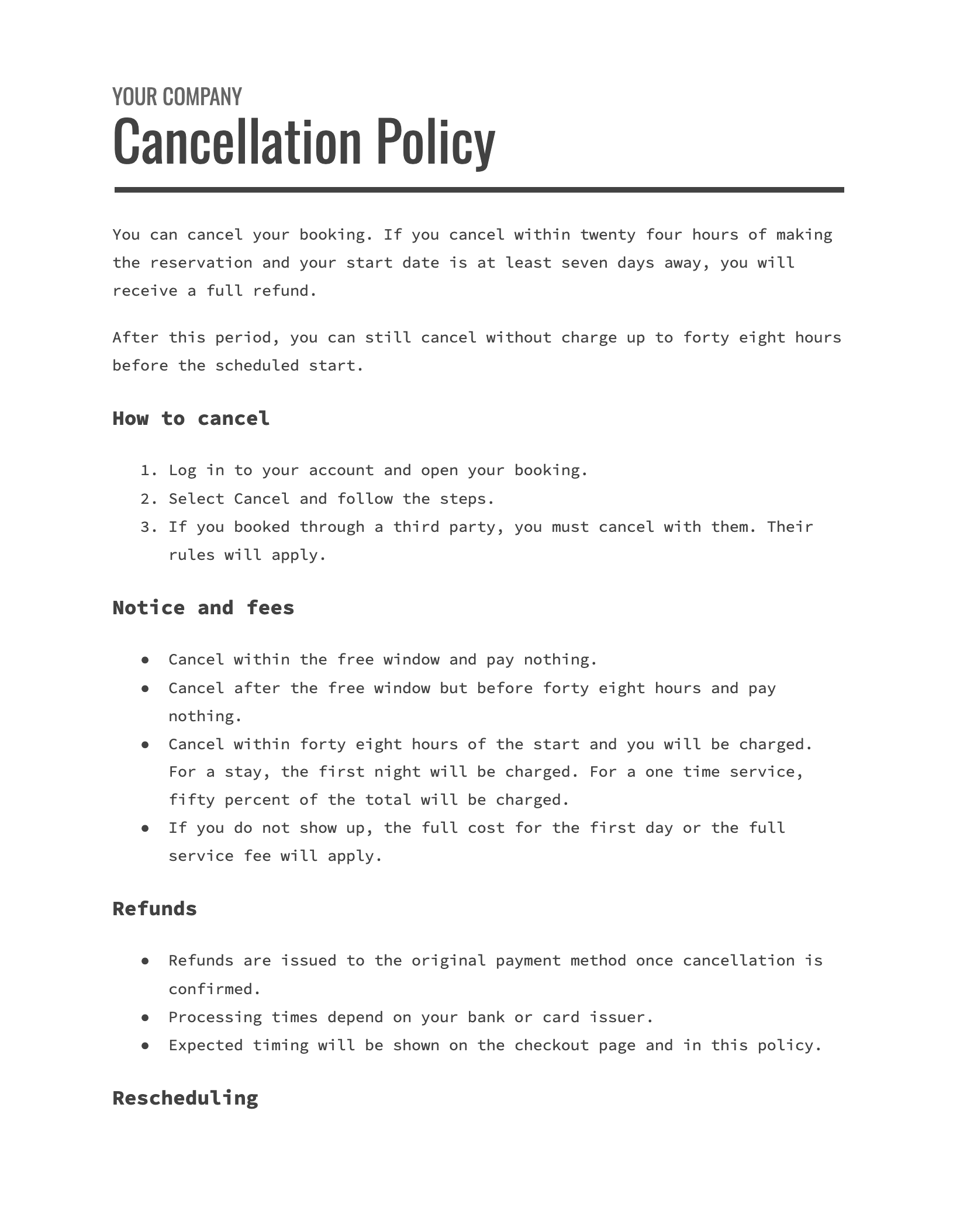
Policy Cancellations: A Comprehensive Guide
Policy cancellations can be a confusing and frustrating experience for many individuals. Whether you’re dealing with an insurance policy, a subscription service, or any other type of agreement, understanding the process and implications of cancellation is essential.
Reasons for Policy Cancellations
There are various reasons why a policy may be cancelled. Common reasons include non-payment of premiums, misrepresentation of information during the application process, or changes in circumstances that affect the terms of the policy.
Implications of Policy Cancellations
When a policy is cancelled, it typically means that the coverage provided by the policy is no longer in effect. This can leave individuals exposed to financial risks and liabilities that they were previously protected against. Additionally, some policies may have cancellation fees or penalties associated with them.
How to Avoid Policy Cancellations
To avoid policy cancellations, it’s important to carefully review the terms and conditions of your policy before signing up. Make sure you understand your obligations regarding premium payments, disclosure of information, and any other requirements specified in the policy.
The Cancellation Process
If you need to cancel a policy, contact your insurance provider or service provider directly. They will guide you through the cancellation process and inform you of any potential consequences or fees associated with cancelling the policy.
Conclusion
Policy cancellations are a part of life for many individuals, but they don’t have to be overwhelming. By understanding why policies are cancelled, what the implications are, and how to avoid cancellations in the future, you can navigate this process with confidence and clarity.
Essential Tips for Navigating Insurance Policy Cancellations
- Review the policy cancellation terms and conditions before purchasing any insurance.
- Notify your insurance provider as soon as possible if you need to cancel your policy.
- Understand any potential fees or penalties associated with cancelling your policy early.
- Ensure that you have alternative coverage in place before cancelling a policy to avoid gaps in protection.
- Keep documentation of the cancellation process for your records.
Review the policy cancellation terms and conditions before purchasing any insurance.
It is crucial to review the policy cancellation terms and conditions before purchasing any insurance. Understanding the specifics of how and when a policy can be cancelled can help you make an informed decision and avoid any surprises down the line. By familiarising yourself with the cancellation process upfront, you can ensure that you are aware of your rights and responsibilities as a policyholder, ultimately leading to a smoother experience in case you ever need to cancel your insurance policy.
Notify your insurance provider as soon as possible if you need to cancel your policy.
It is crucial to notify your insurance provider as soon as possible if you need to cancel your policy. By informing them promptly, you can avoid any unnecessary delays or complications in the cancellation process. This proactive approach not only helps you terminate the policy efficiently but also allows the insurance provider to assist you with any questions or concerns you may have regarding the cancellation. Remember, timely communication is key when it comes to managing policy cancellations effectively.
Understand any potential fees or penalties associated with cancelling your policy early.
It is crucial to thoroughly understand any potential fees or penalties linked to cancelling your policy prematurely. Before making a decision to cancel, be sure to review the terms and conditions of your policy to avoid any unexpected financial consequences. By being aware of these fees or penalties in advance, you can make a more informed choice that aligns with your financial goals and circumstances.
Ensure that you have alternative coverage in place before cancelling a policy to avoid gaps in protection.
It is crucial to ensure that you have alternative coverage in place before cancelling a policy to avoid any gaps in protection. By having a seamless transition from one policy to another, you can maintain continuous coverage and safeguard yourself against potential risks or liabilities. Planning ahead and securing alternative coverage ensures that you remain protected at all times, providing you with peace of mind during the policy cancellation process.
Keep documentation of the cancellation process for your records.
It is crucial to keep documentation of the cancellation process for your records when dealing with policy cancellations. By maintaining a record of all communication, including emails, letters, and notes from phone calls, you can protect yourself in case of any disputes or misunderstandings that may arise later on. Having clear documentation ensures that you have evidence of the steps taken during the cancellation process, which can help resolve any issues efficiently and effectively.