
Insurance Premium: What You Need to Know
When it comes to insurance, one of the key terms you’ll encounter is the insurance premium. But what exactly does this mean?
The insurance premium is the amount of money you pay to an insurance company in exchange for coverage against specified risks. This payment is typically made on a regular basis, such as monthly or annually, depending on your policy.
Several factors can influence the cost of your insurance premium. These may include:
- Type of Coverage: The more comprehensive your coverage, the higher your premium is likely to be.
- Risk Factors: Insurance companies assess various risk factors, such as your age, occupation, health status, and driving record, to determine your premium.
- Claim History: If you have a history of making claims, this could result in a higher premium.
- Deductibles: Choosing a higher deductible can lower your premium but may require you to pay more out of pocket in the event of a claim.
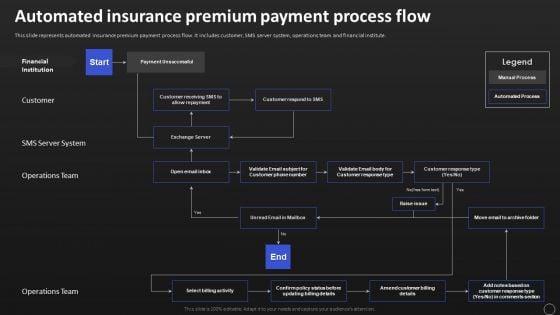
It’s essential to understand that paying your insurance premium is crucial to maintaining your coverage. Failure to pay on time could result in a lapse in coverage, leaving you vulnerable to financial risks in case of an unforeseen event.
If you’re unsure about how much you’re paying or why your premium has increased, don’t hesitate to contact your insurance provider for clarification. Understanding your insurance premium and its components can help you make informed decisions about your coverage and ensure that you’re adequately protected when you need it most.
Five Tips for Managing Your Insurance Premium Effectively
- Shop around and compare insurance premiums from different providers to get the best deal.
- Consider increasing your deductible to lower your insurance premium, but make sure you can afford the higher out-of-pocket costs if you need to make a claim.
- Maintain a good credit score, as it can affect the insurance premium you are offered by insurers.
- Ask about available discounts, such as for bundling multiple policies or having safety features installed in your home or car.
- Review your insurance coverage regularly to ensure you are not paying for more coverage than you need.
Shop around and compare insurance premiums from different providers to get the best deal.
When it comes to managing your insurance costs effectively, a valuable tip is to shop around and compare insurance premiums from different providers. By taking the time to explore various options, you can ensure that you’re getting the best deal possible for your coverage needs. Comparing insurance premiums allows you to not only find competitive prices but also evaluate the level of coverage and benefits offered by each provider. This proactive approach empowers you to make an informed decision that aligns with your budget and provides you with peace of mind knowing that you have secured a cost-effective insurance premium.
Consider increasing your deductible to lower your insurance premium, but make sure you can afford the higher out-of-pocket costs if you need to make a claim.
When it comes to managing your insurance premium, one effective tip is to consider increasing your deductible. By opting for a higher deductible, you can often lower your premium costs. However, it’s crucial to assess whether you can afford the potential higher out-of-pocket expenses that come with a higher deductible in the event of a claim. Finding the right balance between a manageable premium and deductible is key to ensuring that you’re financially prepared for unexpected situations while keeping your insurance costs under control.
Maintain a good credit score, as it can affect the insurance premium you are offered by insurers.
Maintaining a good credit score is essential when it comes to your insurance premium. Insurers often take into account your credit history when determining the cost of your coverage. A higher credit score can indicate financial responsibility and may lead to lower premiums, as insurers view you as a lower risk. On the other hand, a poor credit score could result in higher premiums, as insurers may perceive you as a higher risk individual. By keeping your credit score in good standing, you not only improve your financial health but also potentially save money on your insurance premiums.
Ask about available discounts, such as for bundling multiple policies or having safety features installed in your home or car.
When considering your insurance premium payable, it’s wise to inquire about available discounts that could help reduce your costs. Many insurance providers offer discounts for bundling multiple policies together or for having safety features installed in your home or car. By taking advantage of these discounts, you not only save money on your premium but also enhance your overall coverage. It’s worth exploring these options with your insurance provider to ensure you’re getting the best value for your money while maintaining adequate protection against potential risks.
Review your insurance coverage regularly to ensure you are not paying for more coverage than you need.
It is advisable to review your insurance coverage regularly to ensure that you are not paying for more coverage than you actually need. By reassessing your insurance policy periodically, you can make adjustments to tailor your coverage to your current circumstances, potentially saving money on unnecessary premiums. This proactive approach allows you to stay informed about the extent of your coverage and make informed decisions about any changes that may be required to better suit your needs.