
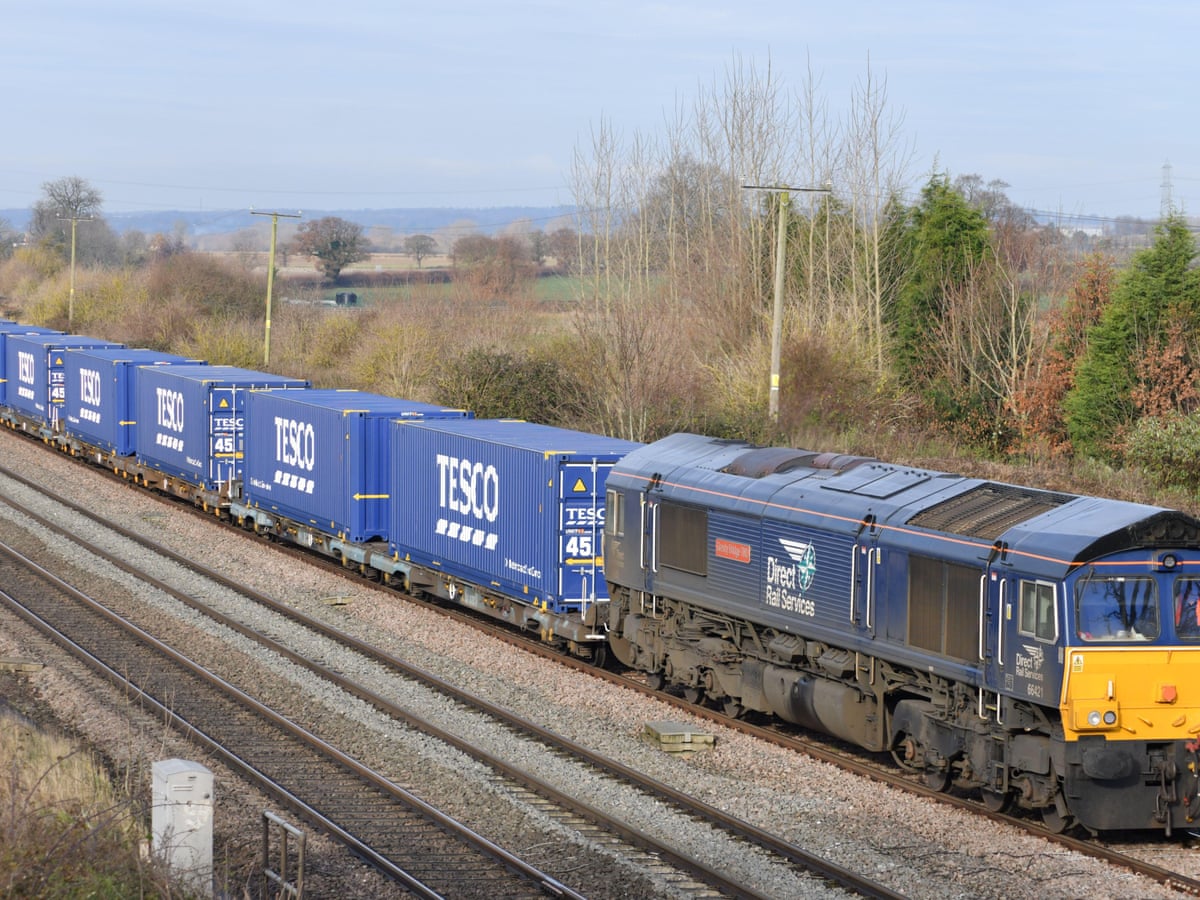
Goods by Rail: A Sustainable and Efficient Transportation Solution
Rail transportation has long been a vital component of the global supply chain, providing a reliable and cost-effective means of moving goods across long distances. In recent years, there has been a renewed interest in transporting goods by rail due to its numerous benefits, including sustainability and efficiency.
One of the key advantages of transporting goods by rail is its environmental friendliness. Trains produce significantly fewer emissions compared to trucks, making rail transport a more sustainable option for companies looking to reduce their carbon footprint. With increasing concerns about climate change and air pollution, the shift towards rail transportation for goods is seen as a positive step towards a greener future.
Furthermore, rail transport is known for its efficiency in moving large volumes of goods over vast distances. Trains can carry heavy loads at once, making them an ideal choice for transporting bulk commodities such as coal, grain, and raw materials. By utilising trains for long-haul journeys, companies can streamline their logistics operations and reduce overall transportation costs.
In addition to its environmental and economic benefits, transporting goods by rail also helps alleviate road congestion and reduce wear and tear on highways. By diverting freight traffic from roads to railways, rail transport can contribute to smoother traffic flow and improved road safety for commuters.
Despite its advantages, the rail freight industry faces challenges such as infrastructure limitations and competition from other modes of transportation. However, with ongoing investments in railway infrastructure and advancements in technology, the future of goods by rail looks promising.
As businesses increasingly prioritise sustainability and efficiency in their operations, the role of rail transport in moving goods is expected to grow. By harnessing the power of trains for freight transportation, companies can achieve their logistics goals while contributing to a more sustainable future for generations to come.
Five Benefits of Rail Transport: Eco-Friendly, Cost-Effective, and More
Challenges of Rail Transport: Flexibility, Investment, Disruptions, and Last-Mile Delivery
- Limited flexibility in delivery schedules compared to road transport
- Higher initial investment required for rail infrastructure and equipment
- Potential disruptions due to maintenance or unexpected track issues
- Challenges in last-mile delivery from railway depots to final destinations
Environmentally friendly
One significant advantage of transporting goods by rail is its environmental friendliness. Trains emit fewer pollutants compared to trucks, making rail transport a sustainable option for companies looking to reduce their carbon footprint. By choosing trains over trucks for freight transportation, businesses can play a crucial role in mitigating climate change and promoting a cleaner, greener future for all.
Cost-effective
Rail transport offers a significant advantage in terms of cost-effectiveness by efficiently transporting large volumes of goods over extensive distances. This efficiency not only streamlines logistics operations but also helps in reducing overall transportation costs for businesses. By utilising trains for long-haul journeys, companies can benefit from the economies of scale that rail transport provides, making it a cost-effective solution for moving bulk commodities and goods across the country and beyond.
Reduced road congestion
One significant advantage of transporting goods by rail is the reduction of road congestion. By shifting freight traffic from roads to railways, rail transport plays a crucial role in easing congestion on highways and urban roads, leading to improved traffic flow and reduced travel times for commuters. This not only benefits the efficiency of transportation networks but also contributes to enhanced road safety and decreased wear and tear on road infrastructure, ultimately creating a more sustainable and streamlined system for both freight and passenger vehicles.
Safe and reliable
Trains provide a safe and reliable mode of transporting goods, boasting lower accident rates in comparison to other modes of transportation. With stringent safety protocols and dedicated railway infrastructure, trains offer a secure means of moving goods over long distances. The track record of safety in rail transport underscores its reliability as a trusted choice for businesses looking to ensure the secure delivery of their valuable cargo.
Bulk capacity
Trains’ ability to carry heavy loads in bulk quantities makes them a highly efficient mode of transportation for moving commodities like coal, grain, and raw materials. By utilising trains for transporting these bulk goods, companies can benefit from cost-effective logistics solutions and streamlined operations. The large carrying capacity of trains allows for the movement of significant volumes of goods in a single journey, reducing the need for multiple trips and enhancing overall efficiency in the supply chain.
Limited flexibility in delivery schedules compared to road transport
One significant drawback of transporting goods by rail is the limited flexibility in delivery schedules when compared to road transport. Trains operate on fixed timetables and routes, which can make it challenging to accommodate last-minute changes or urgent deliveries. Unlike trucks that can easily adjust their routes and schedules to meet changing demands, rail transport may require more planning and coordination, potentially leading to delays in delivery times. This lack of flexibility in delivery schedules could pose a logistical challenge for businesses that require quick and adaptable transportation solutions for their goods.
Higher initial investment required for rail infrastructure and equipment
One significant drawback of transporting goods by rail is the higher initial investment required for rail infrastructure and equipment. Building and maintaining railway tracks, terminals, and rolling stock can be a costly endeavour, especially for businesses or governments looking to establish or expand rail freight services. The substantial upfront capital needed to develop a reliable and efficient rail network may deter some organisations from choosing rail transport as their primary mode of moving goods, despite the long-term benefits it offers in terms of sustainability and efficiency.
Potential disruptions due to maintenance or unexpected track issues
One significant drawback of transporting goods by rail is the potential for disruptions caused by maintenance or unexpected track issues. Scheduled maintenance activities or unexpected track problems, such as signal failures or track obstructions, can lead to delays in the delivery of goods. These disruptions can impact supply chains, causing logistical challenges for businesses and affecting the timely delivery of products to customers. Despite the overall efficiency of rail transport, the risk of interruptions due to maintenance or track issues remains a concern for companies relying on this mode of transportation for their goods.
Challenges in last-mile delivery from railway depots to final destinations
One significant challenge of transporting goods by rail is the issue of last-mile delivery, which refers to the transportation of goods from railway depots to their final destinations. This stage of the logistics process can be complex and costly, especially in urban areas where congestion and limited access can hinder efficient delivery operations. Coordinating the transfer of goods from trains to local distribution networks poses logistical challenges that require careful planning and coordination to ensure timely and cost-effective delivery to end customers. Overcoming these challenges in last-mile delivery remains a key focus for improving the overall efficiency and competitiveness of rail freight transportation systems.