
The Role of an Auditor in Ensuring Financial Integrity
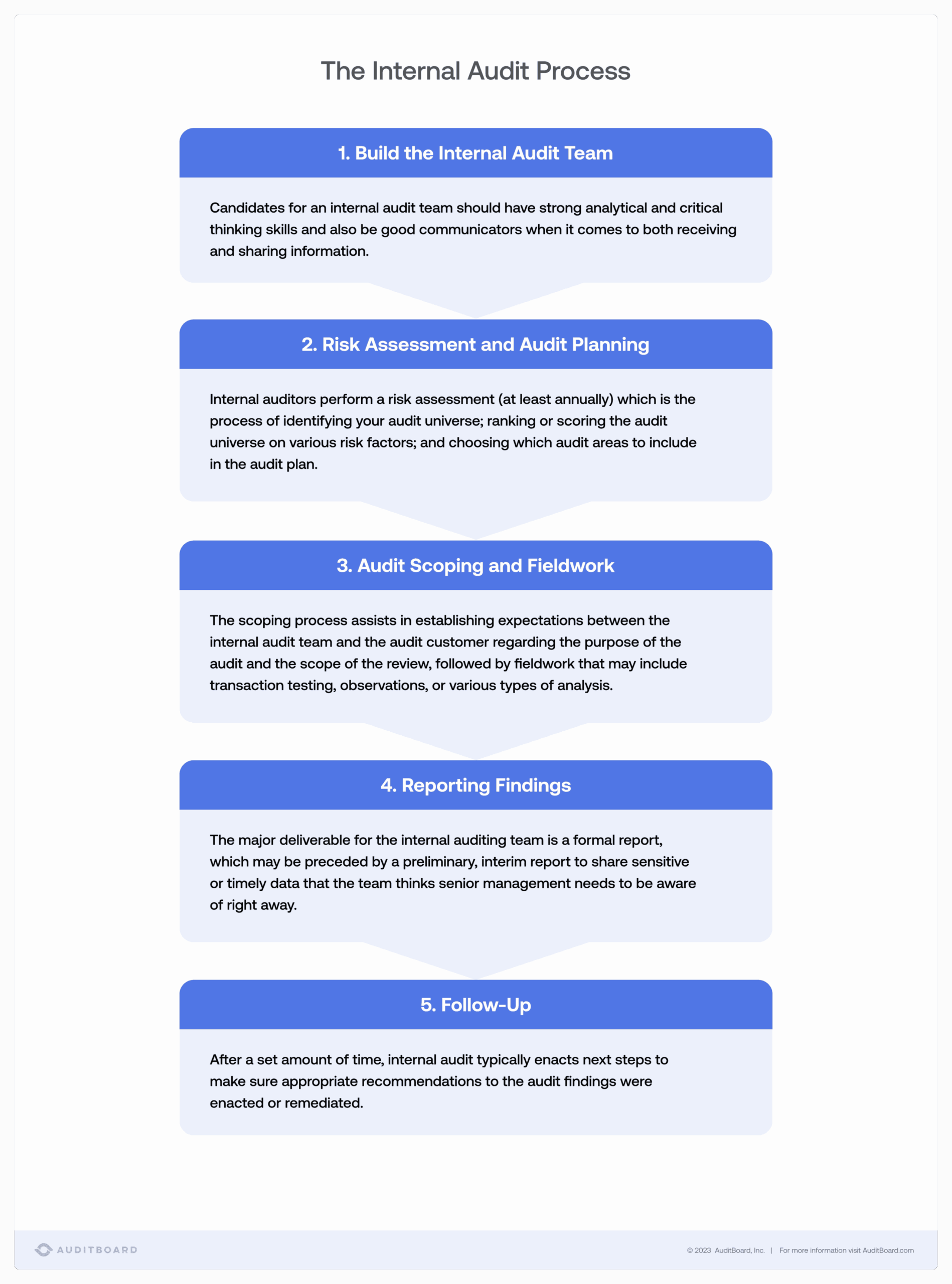
An auditor plays a critical role in ensuring the financial integrity and transparency of an organisation. Their primary responsibility is to examine and evaluate the financial records of a company to determine if they are accurate and comply with relevant laws and regulations.
Through a systematic review process, auditors verify the reliability of financial information, assess internal controls, and identify any potential risks or irregularities. By conducting audits, they provide assurance to stakeholders, such as investors, lenders, and government agencies, that the company’s financial statements are reliable and trustworthy.
Auditors also play a key role in detecting fraud or financial mismanagement within an organisation. By scrutinising financial transactions and processes, auditors can uncover discrepancies or inconsistencies that may indicate fraudulent activities. Their findings help companies take corrective actions to prevent future occurrences and maintain their reputation.
Furthermore, auditors provide valuable insights and recommendations to improve financial practices and operational efficiency. By highlighting areas for improvement or risk mitigation, auditors help companies enhance their internal controls and decision-making processes.
In conclusion, the role of an auditor is essential in promoting accountability, transparency, and trust in the financial operations of organisations. Their independent assessments contribute to maintaining the integrity of financial reporting and upholding ethical standards within the business community.
The Key Benefits of Auditing: Ensuring Accuracy, Compliance, and Ethical Standards
- Ensures financial accuracy and compliance with regulations
- Provides assurance to stakeholders on the reliability of financial information
- Detects and prevents fraud or financial mismanagement
- Offers recommendations for improving financial practices
- Enhances internal controls and risk management processes
- Contributes to maintaining transparency and accountability in organisations
- Helps uphold ethical standards within the business community
Challenges Faced by Auditors: Navigating Pressure, Resource Constraints, and Organisational Resistance
- Auditors may face pressure to overlook or downplay financial irregularities to maintain client relationships.
- Audits can be time-consuming and resource-intensive for both the auditor and the audited organisation.
- Auditors may not always uncover sophisticated fraud schemes, leading to undetected financial losses.
- High audit fees can be a burden for small businesses and non-profit organisations with limited budgets.
- Auditors’ recommendations for improving internal controls may be met with resistance from management or staff.
- Audits can disrupt normal business operations and cause distractions for employees during the audit process.
Ensures financial accuracy and compliance with regulations
One significant benefit of having an auditor is that they ensure financial accuracy and compliance with regulations. By meticulously examining financial records and processes, auditors verify the precision of financial information and ensure that it aligns with relevant laws and regulations. Their expertise helps organisations maintain integrity in their financial reporting, providing stakeholders with confidence in the reliability of the company’s financial statements. Additionally, auditors play a crucial role in identifying any discrepancies or non-compliance issues, enabling companies to rectify them promptly and uphold their commitment to regulatory standards.
Provides assurance to stakeholders on the reliability of financial information
One of the key benefits of having an auditor is that they provide assurance to stakeholders regarding the reliability of financial information. By conducting thorough examinations and assessments of a company’s financial records, auditors offer an independent and objective perspective on the accuracy and integrity of the data presented in financial statements. This assurance is crucial for investors, lenders, and other stakeholders who rely on this information to make informed decisions about the company’s performance and financial health. The auditor’s validation helps instil confidence in the transparency and trustworthiness of the organisation’s financial reporting, ultimately enhancing credibility and fostering strong relationships with stakeholders.
Detects and prevents fraud or financial mismanagement
One significant advantage of having auditors is their ability to detect and prevent fraud or financial mismanagement within an organisation. By meticulously examining financial transactions and processes, auditors can uncover discrepancies, irregularities, or suspicious activities that may indicate fraudulent behaviour. Their expertise in identifying red flags and conducting thorough investigations plays a crucial role in safeguarding the company’s assets and reputation. Through their proactive approach, auditors help mitigate risks, deter potential fraudsters, and ensure that financial resources are used responsibly and ethically.
Offers recommendations for improving financial practices
Auditors play a pivotal role in offering recommendations for enhancing financial practices within organisations. Through their expertise and thorough examination of financial records, auditors can identify areas where improvements can be made to strengthen internal controls, increase operational efficiency, and mitigate risks. By providing valuable insights and guidance, auditors help companies implement best practices that not only enhance their financial performance but also uphold transparency and accountability in their operations. Ultimately, the recommendations offered by auditors serve as a roadmap for organisations to achieve greater financial integrity and sustainability.
Enhances internal controls and risk management processes
Auditors play a crucial role in enhancing internal controls and risk management processes within organisations. By conducting thorough assessments of financial records and operational procedures, auditors can identify weaknesses or gaps in internal controls that may expose the company to risks. Their insights and recommendations help companies strengthen their control environment, mitigate potential risks, and improve overall risk management practices. Through their expertise and independent evaluations, auditors contribute to fostering a culture of accountability and compliance, ultimately safeguarding the organisation’s assets and reputation.
Contributes to maintaining transparency and accountability in organisations
Auditors play a crucial role in contributing to maintaining transparency and accountability within organisations. By thoroughly examining financial records and processes, auditors provide an independent assessment that helps ensure the accuracy and reliability of financial information. Their findings not only help detect any potential irregularities or discrepancies but also encourage companies to uphold ethical standards and comply with regulations. Through their work, auditors promote a culture of openness and honesty, fostering trust among stakeholders and reinforcing the importance of accountability in organisational practices.
Helps uphold ethical standards within the business community
Auditors play a crucial role in upholding ethical standards within the business community. By conducting thorough reviews of financial records and processes, auditors help identify and address any potential ethical breaches or misconduct. Their independent assessments provide assurance to stakeholders that companies are operating with integrity and transparency, fostering trust and credibility in the business environment. Auditors’ commitment to ethical practices not only ensures compliance with regulations but also sets a positive example for ethical conduct across industries, promoting a culture of honesty and accountability in business operations.
Auditors may face pressure to overlook or downplay financial irregularities to maintain client relationships.
Auditors may encounter the challenge of facing pressure to overlook or downplay financial irregularities in order to preserve client relationships. This conflict of interest can arise when auditors feel compelled to prioritize maintaining a positive rapport with their clients over reporting accurate and transparent financial information. Such pressures may compromise the auditor’s independence and objectivity, potentially leading to a lack of thorough scrutiny and detection of fraudulent activities or mismanagement within an organisation. This con highlights the importance of upholding ethical standards and professional integrity in the auditing profession to ensure the reliability and credibility of financial reporting.
Audits can be time-consuming and resource-intensive for both the auditor and the audited organisation.
Audits can present a significant challenge due to their time-consuming and resource-intensive nature for both the auditor and the audited organisation. The process of conducting a thorough examination of financial records, internal controls, and compliance requirements requires meticulous attention to detail and extensive documentation. This can result in a strain on the resources and manpower of both parties involved, potentially impacting day-to-day operations and productivity. Additionally, the time commitment required for audits may lead to delays in reporting or decision-making processes, creating added pressure on all stakeholders involved in the audit process.
Auditors may not always uncover sophisticated fraud schemes, leading to undetected financial losses.
Auditors may not always uncover sophisticated fraud schemes, leading to undetected financial losses. Despite their thorough examination of financial records and internal controls, auditors may encounter challenges in detecting complex and well-concealed fraudulent activities within an organisation. As a result, fraudulent schemes orchestrated by individuals with intricate knowledge of accounting practices and systems may go unnoticed, potentially resulting in significant financial losses for the company. This limitation underscores the importance of continuous vigilance, enhanced audit procedures, and collaboration with forensic experts to mitigate the risk of undetected fraud and safeguard the financial integrity of businesses.
High audit fees can be a burden for small businesses and non-profit organisations with limited budgets.
High audit fees can pose a significant challenge for small businesses and non-profit organisations operating on limited budgets. The cost of hiring an auditor to conduct a thorough examination of their financial records can be prohibitive, especially when financial resources are already stretched thin. This financial burden may force smaller entities to allocate a substantial portion of their budget towards audit fees, potentially diverting funds away from critical operational needs or growth opportunities. As a result, the high cost of audits can create barriers for small businesses and non-profits seeking to ensure compliance with regulations and demonstrate financial transparency.
Auditors’ recommendations for improving internal controls may be met with resistance from management or staff.
Auditors’ recommendations for enhancing internal controls within an organisation may encounter resistance from management or staff. This resistance can stem from various factors, such as a reluctance to change established practices, concerns about increased workload, or a lack of understanding of the benefits of the proposed improvements. Overcoming this resistance requires effective communication, collaboration, and leadership to ensure that all stakeholders recognise the importance of strengthening internal controls for the overall integrity and success of the organisation. By addressing concerns and involving key individuals in the process, auditors can help facilitate a smoother implementation of their recommendations and foster a culture of continuous improvement within the organisation.
Audits can disrupt normal business operations and cause distractions for employees during the audit process.
During the audit process, one significant con of having an auditor is that it can disrupt normal business operations and cause distractions for employees. The thorough examination of financial records and processes often requires extensive cooperation and involvement from various departments within the organisation, diverting their attention away from their regular tasks. This disruption can lead to delays in projects, decreased productivity, and overall inefficiencies in day-to-day operations as employees are pulled away to assist auditors in providing necessary information and documentation.